
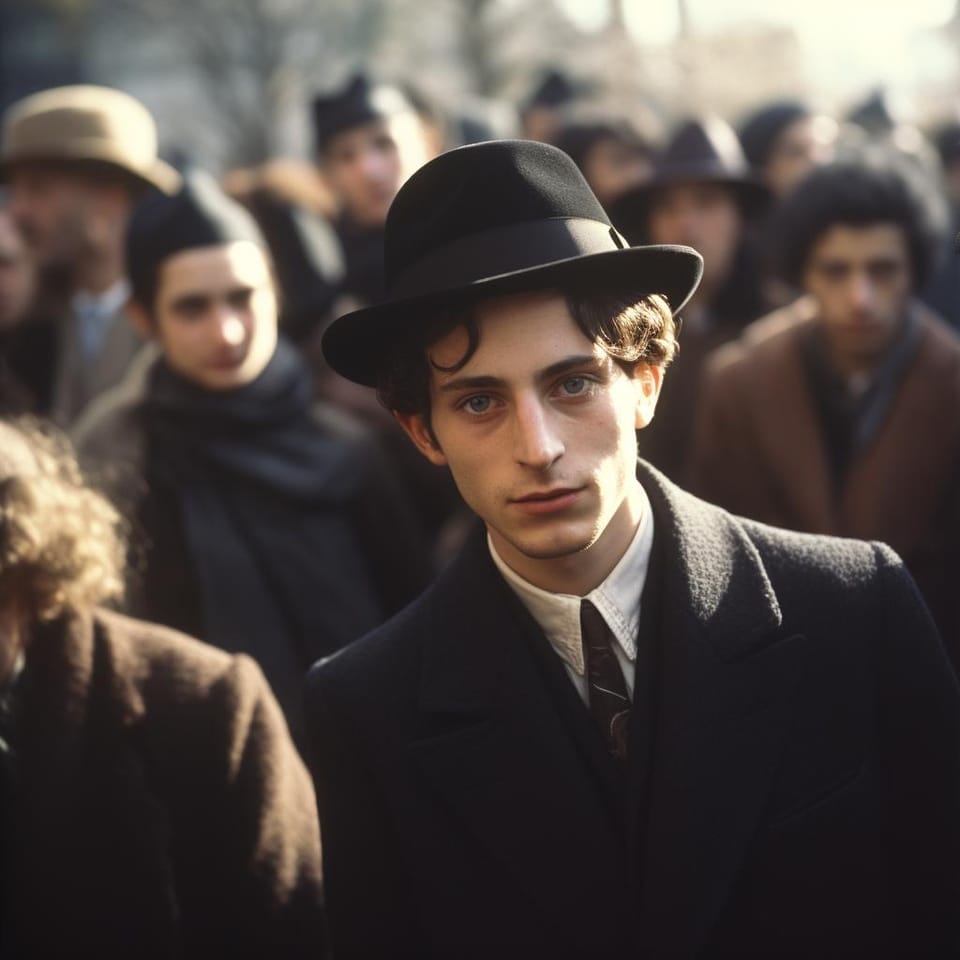

Embracing Cultural Sensitivity: A Non-Jew's Guide to Jewish Funeral Etiquette
When we step into the hushed silence of a funeral, we're not just entering a room; we're stepping into a world of traditions, rituals, and cultural nuances. This is especially true when attending a Jewish funeral as a non-Jew. Understanding Jewish funeral etiquette is about more than knowing when to sit or stand. It's about demonstrating respect and empathy for a tradition that may not be our own.
Just as we'd navigate the subtleties of a wedding ceremony or a business meeting with grace and elegance, so too must we approach the profound solemnity of a Jewish funeral. By understanding and respecting these high-volume Jewish funeral traditions, we're not just being polite; we're acknowledging the universal human experience of loss and the unique ways different cultures honor it.

Decoding Jewish Funeral Rites: What are they and What do they Mean?
Jewish funeral traditions are steeped in symbolism, reflecting a deep respect for the departed and the grieving process. The Kriah, for instance, features mourners tearing a piece of their clothing or a black ribbon as a sign of their heart being torn with grief. This act, often performed at the gravesite, is a poignant reminder of the pain of loss.
Another high-volume Jewish funeral tradition is Shiva. Following the burial, the immediate family stays at home for seven days, receiving visitors in a show of community support. This period allows the bereaved to mourn in a safe and supportive environment.
Lastly, the body of the deceased undergoes Tahara, a ritual purification process, reflecting the Jewish belief in the sanctity of the human body. These customs, like the intricate rules of golf etiquette, may seem complex to outsiders, but they hold profound significance within the culture.
Common Jewish Funeral Practices
- Shiva: Shiva is a seven-day mourning period observed by the immediate family of the deceased. During this time, the family stays at home, refrains from work, and receives visitors. This practice allows the family to mourn and remember their loved one in a supportive environment.
- Kriah: Kriah is the act of tearing one's clothes, a traditional sign of mourning in Jewish culture. Often, a black ribbon is provided at the funeral, which attendees can tear instead of their clothing. This ritual symbolizes the individual's heart being torn by grief.
- Tahara: Tahara is a ritual purification process performed on the body of the deceased. This practice, carried out by a group of trained volunteers, reflects the Jewish belief in the sanctity and respect for the human body, even in death.
Navigating the Rituals: Do's and Don'ts for Non-Jews at Jewish Funerals
Stepping into the solemn atmosphere of a Jewish funeral, you might feel a bit like Alice in Wonderland, navigating a world filled with unfamiliar customs and traditions. It's a realm where even the subtlest actions carry deep significance. From the unspoken rules of social etiquette to the high volume Jewish funeral traditions, understanding and respecting these rituals is crucial.
As a non-Jew, you might question, "Should I follow along when everyone stands? Is it appropriate to approach the grieving family?" The answers lie in understanding Jewish funeral etiquette. Just as you would observe certain etiquette rules when visiting Italy, so should you respect the cultural traditions at Jewish funerals. This guide will help you navigate these moments with grace and sensitivity.
Remember, it's not about getting everything perfect, but showing respect and empathy. After all, isn't that the essence of interacting respectfully in various aspects of life?
Now that you've learned about the do's and don'ts, here's a handy checklist to help you remember the key points when attending a Jewish funeral as a non-Jew.
Keep this checklist in mind and you'll be well-prepared to show your respect at a Jewish funeral. Next, let's look at the appropriate attire for such an occasion.

Dressing the Part: What to Wear to a Jewish Funeral?
When it comes to Jewish funeral etiquette, your attire speaks volumes about your respect for the mourners and their cultural traditions. A conservative, modest approach is key. Think along the lines of dark, subdued colors and minimalistic patterns. Gentlemen, a suit is generally a safe bet, while ladies, a knee-length dress or a skirt paired with a modest blouse would be appropriate.
Remember, this is not a time for fashion statements or avant-garde styles. Much like the wedding reception etiquette, the focus should be on the event and the people at its heart, not on turning heads.
Just as you would adhere to office etiquette by dressing appropriately, so too should you respect the solemnity of the occasion with your attire at a Jewish funeral. It's all about navigating Jewish funeral traditions with cultural respect and understanding.
Words of Comfort: How to Express Condolences at a Jewish Funeral
When it comes to expressing condolences at a Jewish funeral, it's crucial to strike a balance between showing genuine sympathy and respecting cultural traditions. Remember, your words should comfort, not confuse. So, how do you navigate this delicate task?
Firstly, it's important to note that traditional Jewish condolences often center around the phrase "May their memory be a blessing". This sentiment, simple yet profound, acknowledges the loss while simultaneously celebrating the life that was. It's a comforting notion, isn't it? To remember loved ones as blessings in our lives long after they're gone.
When offering condolences, avoid platitudes. Instead, speak from the heart, and if you're unsure, silence can be a powerful ally. After all, as we've explored in our guide to basic etiquette, sometimes the most respectful thing to do is to simply listen.
As we delve deeper into the cultural nuances of Jewish funerals, it's natural to have questions. Here are some commonly asked questions to help you navigate this solemn occasion with grace and respect.
Armed with this information, you can attend a Jewish funeral with a deeper understanding of the customs and traditions involved. Remember, respect and empathy are key when participating in the rituals of another culture.
Wrapping Up: The Art of Respecting Cultural Traditions at Funerals
So you've navigated the jewish funeral traditions, demonstrating respect and understanding. But what does this say about us as people, as a society? In essence, it's a testament to our ability to embrace diversity, to acknowledge that our world is a kaleidoscope of cultures, each with its own unique rites and rituals.
By understanding and respecting the etiquette guide for Jewish funerals, we're not just being polite. We're fostering an environment of inclusivity and harmony, where no one is an outsider because of their beliefs or practices. We're setting a stage where empathy is the main player, and it's performances such as these that make us more civil, more human.
As we step out of the solemnity of the Jewish funeral, let's carry this lesson with us. Let's make respect for cultural traditions our compass, guiding us through life's myriad interactions, whether it's a sauna or a social gathering. After all, isn't that what living civilly is all about?



No comments yet. Be the first to share your thoughts!