

Entering the spatial web
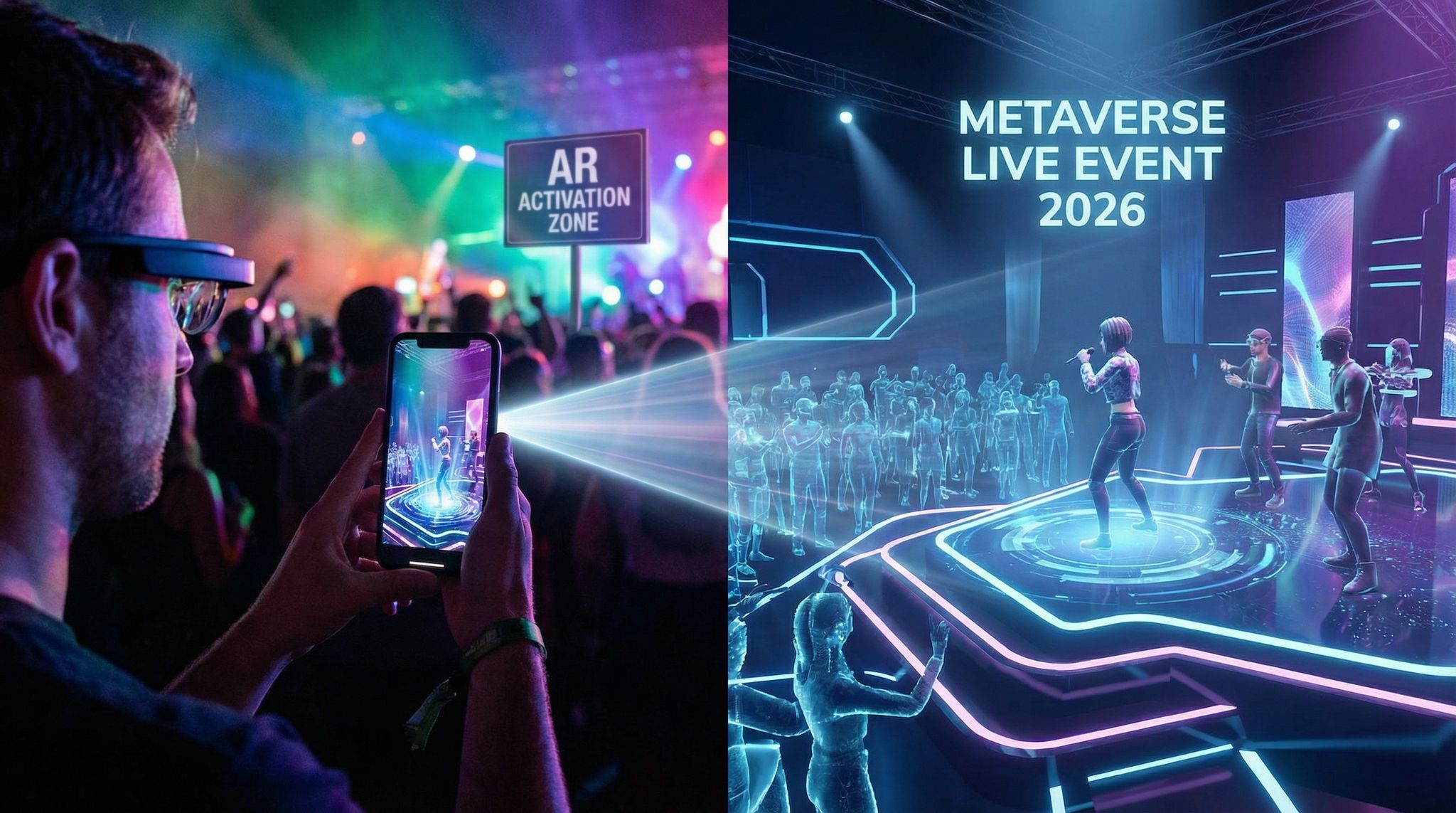
The idea of a metaverse isn’t exactly new. Second Life showed us glimpses of it years ago, but 2026 feels different. We’re moving beyond early adopter spaces to a point where virtual social interaction is becoming increasingly mainstream. This shift demands a new level of consideration for how we behave in these environments.
For a long time, online etiquette was about avoiding basic rudeness – no all caps, no spamming, things like that. But the metaverse adds layers of complexity. We’re not just typing on a screen anymore; we’re represented by avatars, we’re experiencing a sense of presence, and we’re interacting in 3D spaces. This changes everything.
I think a lot of people are still figuring out how to be in these spaces, and that’s okay. It’s a learning process. But it's not just about avoiding being offensive; it’s about actively building comfortable, functional communities. Good etiquette isn’t about restriction, it’s about enabling positive social experiences for everyone involved. It’s about making these spaces welcoming and conducive to connection.
CBS News once noted that etiquette is just caring for others. In a virtual space, that means realizing your avatar's movements or voice volume actually affect the person on the other side of the headset.
What your avatar says about you
Your avatar is your first impression. It’s the visual representation of you in this digital world, and it communicates a lot before you even say a word. The choices you make about your avatar – its realism, its clothing, its accessories – all send signals about your intent.
Are you there to network and project a professional image? A more realistic avatar, dressed in appropriate attire, might be the way to go. Are you there to express your creativity and explore fantastical identities? Then feel free to embrace abstraction and unique designs. It's about aligning your presentation with your purpose.
The Gentleman's Gazette argues that how people see you matters, and VR is no different. If you show up to a board meeting as a floating neon taco, people won't take you seriously. I've run into some bizarre avatars that make it impossible to have a real conversation because they're so distracting.
Be mindful of cultural sensitivities. Avoid avatars that could be considered offensive or appropriative. And remember, even in a virtual world, respect for others is paramount.
- Match your avatar to the room's vibe, whether it's a professional meeting or a casual hangout.
- Align your avatar with your intent: Professional, creative, casual?
- Be mindful of cultural sensitivities: Avoid offensive or appropriative designs.
- Test your avatar: How does it look and feel to others?
Personal space in a digital room
Traditional physical cues don’t translate directly into virtual reality. In the real world, we rely on body language, eye contact, and physical distance to navigate social interactions. In VR, these cues are either absent or distorted. This is where spatial awareness becomes crucial.
How close is too close? There’s no universal answer, and it varies depending on the platform and the context. But a good rule of thumb is to respect a virtual "bubble" around other users. What does it mean when someone physically turns away from you? It likely means they want to disengage, and you should respect that.
It’s easy to accidentally invade someone’s space, especially in crowded virtual environments. Be mindful of your movements and avoid getting too close to others. If you find yourself in a tight spot, apologize and create some distance. The key is to be aware of your surroundings and to respect the boundaries of others.
Emerging norms suggest that mimicking real-world personal space expectations is a good starting point. A comfortable distance is roughly an arm’s length, but observe how others are interacting and adjust accordingly. Pay attention to non-verbal cues – even subtle ones – to gauge how your presence is being received.
Verbal & Non-Verbal Communication
Communication in VR is more than just words. Voice modulation, gestures, and body language all play a role in conveying emotion and building rapport. But these cues are often filtered through headsets and virtual representations, which can lead to miscommunication.
How do you convey emotion when your voice is compressed through a headset? Experiment with tone and inflection. Use pauses and emphasis to add nuance to your speech. What about subtle cues like eye contact (or the VR equivalent)? Maintaining virtual eye contact can help build trust and establish a connection.
People tend to flail their arms in VR because they're excited, but it looks aggressive to everyone else. Keep your movements small. You don't need to wave like a car dealership inflatable to get attention.
Be mindful of your virtual body language. Posture, head movements, and even the direction you’re facing can all communicate information. Try to maintain an open and inviting posture to signal approachability. And remember, active listening – both verbal and non-verbal – is essential for effective communication.
- Use vocal inflection: Add nuance to your speech.
- Look at people when they speak to show you're actually paying attention.
- Keep gestures natural: Avoid exaggerated movements.
- Practice active listening: Pay attention to both verbal and non-verbal cues.
Dealing with jerks and harassment
Unfortunately, even in the metaverse, disruptive and harmful behaviors can occur. Griefing, harassment, unsolicited advances, and other forms of antisocial conduct are not uncommon. It’s important to know how to respond to these situations and how to protect yourself and others.
If you encounter someone who is being disruptive or harassing, the first step is to disengage. Don’t escalate the situation by responding to their behavior. Most platforms have reporting mechanisms that allow you to flag inappropriate conduct. Use them.
Creating safe and inclusive spaces requires a collective effort. Be an active bystander. If you see someone being harassed, speak up or offer support to the victim. And remember, you have the right to block or mute anyone who is making you feel uncomfortable.
As CBS News pointed out, etiquette is about caring for others. That means being empathetic, respectful, and considerate of the feelings of those around you. It also means recognizing that everyone has different boundaries and sensitivities. I’m not a fan of overly strict moderation, but there needs to be a clear line drawn when it comes to harmful behavior.
Community-Specific Customs
The metaverse isn’t a single, monolithic entity. It’s a collection of diverse platforms and communities, each with its own unique culture and norms. What’s acceptable in VRChat might not fly in Horizon Worlds, and vice versa.
It's absolutely essential to research the specific etiquette of the space you're entering before you dive in. Spend some time observing how others are interacting. Read the community guidelines. Ask questions if you’re unsure about something. Adapting your behavior to the local customs is a sign of respect.
Think of it like visiting a new country. You wouldn’t barge into a temple wearing inappropriate clothing, would you? Similarly, you shouldn’t enter a virtual community without understanding its norms and expectations. Some communities might encourage playful role-playing, while others might prioritize serious discussion.
I think this is where things will get really interesting as the metaverse diversifies. We’ll see the emergence of niche communities with highly specific etiquette rules. Being able to navigate these different cultural landscapes will be a valuable skill.
Virtual Reality Social Space Etiquette Comparison - 2026
| Platform | Avatar Customization Freedom | Level of Formality | Common Social Activities | Tolerance for Disruptive Behavior |
|---|---|---|---|---|
| VRChat | Extremely High - Users can create or import highly detailed avatars with extensive modification options. | Generally Informal - Wide range of worlds and communities, from casual hangouts to roleplaying scenarios. | Roleplaying, attending events (concerts, meetups), exploring user-created worlds, and simply socializing. | Moderate - While generally accepting, disruptive behavior like griefing or harassment is often addressed through user-based moderation and reporting systems. World creators can also implement restrictions. |
| Horizon Worlds | Moderate - Offers a robust avatar creation system, but with more constraints than VRChat. Focus on Meta's aesthetic. | Variable - Can range from casual game nights to more structured events, often influenced by the creator of the world. | Attending events, playing games, exploring user-created worlds, and building experiences using the platform's tools. | Moderate - Meta actively moderates the platform, and community guidelines are enforced. Disruptive behavior can lead to warnings or bans. |
| Rec Room | Moderate - Offers a stylized avatar system with a wide range of customization options, but less realistic than VRChat. | Informal - Primarily focused on games and casual social interaction. | Playing user-created games, hanging out in lounges, attending events, and participating in activities like laser tag or paintball. | Low to Moderate - Rec Room has moderation tools and a reporting system, but disruptive behavior can still occur, particularly in public rooms. |
| AltspaceVR | Moderate - Allows for avatar customization, including importing custom avatars, but with some limitations. | Semi-Formal - Often used for professional events, workshops, and conferences, alongside more casual social gatherings. | Attending events (conferences, workshops, concerts), hosting meetups, and networking. | Moderate to High - AltspaceVR is often used for professional events, leading to a higher expectation of respectful behavior. Moderation is present, and disruptive behavior is generally discouraged. |
| Somnium Space | High - Allows for importing custom avatars and owning land where users can build and customize environments. | Variable - Depends heavily on the specific world or event. Can range from casual to highly structured. | Virtual land ownership, building and exploring virtual worlds, attending events, and socializing. | Moderate - Relies on user-created world rules and community moderation, with a focus on user responsibility and self-governance. |
Illustrative comparison based on the article research brief. Verify current pricing, limits, and product details in the official docs before relying on it.



No comments yet. Be the first to share your thoughts!