
Define what living civilized means
Live Civilized works best as a clear sequence: define the constraint, compare the realistic options, test the tradeoff, and choose the path with the fewest hidden costs. That order keeps the advice usable instead of decorative. After each step, pause long enough to check whether the recommendation still fits the reader's actual situation. If it depends on perfect timing, unusual access, or a best-case budget, include a simpler fallback.
The simplest way to use this section is to write down the real constraint first, compare each option against it, and choose the path that still works outside ideal conditions.
Set boundaries for digital presence
Civilization is not just how we treat people in person; it is how we curate our attention. A cluttered digital feed breeds resentment and impatience. To maintain grace online, you must actively filter the noise. This section outlines the steps to establish clear digital boundaries.

Scroll through your social media feeds with a critical eye. Unfollow or mute accounts that trigger envy, anger, or anxiety. You are not obligated to consume content that undermines your peace. Treat your attention as a finite resource that deserves protection.

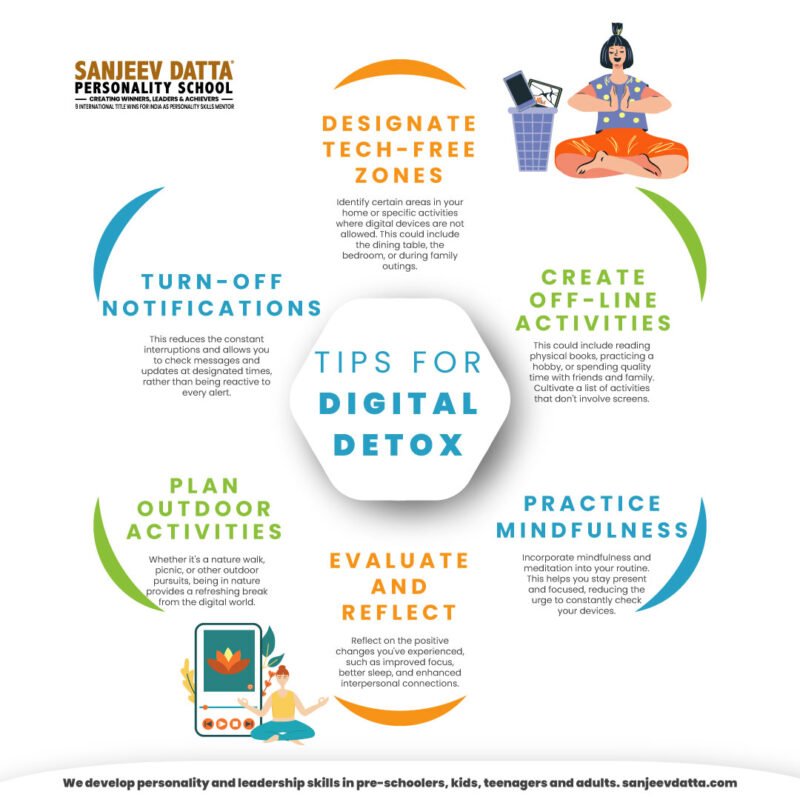
Turn off push notifications for everything except direct messages from close friends or family. Constant pings fracture focus and create a state of perpetual readiness. By silencing the noise, you regain control over when and how you engage with the digital world.
Decide on specific times to check messages and emails. Do not feel compelled to reply instantly. A civilized response is thoughtful, not immediate. Let others know your availability if necessary, so they understand that silence is not rudeness, but respect for your own time.
Ask yourself if your posts reflect the best version of yourself. Avoid venting in public forums or engaging in heated debates with strangers. Share content that adds value, humor, or insight. Your digital footprint is a reflection of your character; make it one you are proud to display.
By implementing these boundaries, you transform your digital presence from a source of stress into a tool for connection. You become more present, more patient, and more civilized in every interaction.
Practice mindful communication habits
Civilized interaction starts with how we transmit information. Before words leave your hands or mouth, pause to check their weight. Thoughtful communication is not about being perfect; it is about being considerate of the receiver’s experience. This habit builds trust and reduces unnecessary conflict in both digital and physical spaces.
Pause before posting or speaking
Impulse is the enemy of civility. In digital environments, the speed of transmission often outpaces our judgment. Adopt a mandatory cooling-off period for any message that feels emotionally charged. For emails or social posts, draft the response, wait ten minutes, then reread it. This simple delay allows you to strip away sarcasm or aggression that you might not have intended. The goal is clarity, not reaction.
Focus on clarity over cleverness
Complexity often masks a lack of respect for the reader’s time. Use plain language. Short sentences are easier to process and less likely to be misinterpreted. Avoid jargon unless your audience is specialized. When speaking, state your main point first, then provide context. This structure respects the listener’s attention span and ensures your core message lands effectively.
Listen to understand, not to reply
Most people listen with the intent to respond, not to comprehend. Mindful communication requires active listening. When someone is speaking, resist the urge to formulate your counter-argument in your head. Instead, focus entirely on their words and tone. If you are unsure of their meaning, ask a clarifying question. This demonstrates that you value their perspective, which is a foundational element of respectful interaction.
Pre-send communication checklist
Use this quick review before finalizing any important message to ensure your tone remains respectful and clear.
-
Check the tone: Does this sound helpful or hostile?
-
Verify the recipient: Am I including the right people?
-
Review for clarity: Is the main point obvious in the first two sentences?
-
Scan for errors: Do typos distract from my credibility?
-
Consider the impact: How would I feel if I received this message?
Handle disagreement with grace
Conflict is inevitable, but how you navigate it defines the relationship. Disagreement isn’t a failure of civility; it’s an opportunity to demonstrate respect under pressure. The goal isn’t to win the argument but to preserve the connection while holding your ground.
Start by slowing down. When you feel your pulse rise, pause for three seconds before responding. This brief silence breaks the reflexive cycle of attack and defense, allowing your prefrontal cortex to re-engage. It signals to the other person that you are listening, not just waiting to speak.
Listen to understand, not to rebut. Paraphrase their point back to them before offering your counter-argument. "So you’re saying that X matters more than Y because of Z?" This simple act validates their perspective, even if you disagree. It lowers their defenses and creates a space where mutual respect can survive the clash of ideas.
Avoid personal attacks and absolute language. Words like "always" and "never" trigger defensiveness. Stick to "I" statements that describe your feelings and observations. Keep the focus on the specific issue at hand, not the person’s character.
Remember, civility is the bridge that keeps relationships intact when opinions diverge. By managing your reactions and honoring the other person’s dignity, you turn conflict into a constructive dialogue. This is the true measure of a civilized interaction.
Common questions about civilized etiquette
Understanding the basics of respectful interaction helps clarify how to apply these principles in daily life. Below are answers to frequent questions about what civilized behavior actually looks like.
No comments yet. Be the first to share your thoughts!