

What living civilized actually means
Living civilized is not about wearing a tuxedo or knowing which fork to use at a formal dinner. It is a daily practice of mutual respect and order. At its core, it means treating others with kindness and fairness while maintaining personal discipline. As the Cambridge English Dictionary defines it, a civilized approach involves a well-developed way of life that treats people fairly. This definition moves the concept from abstract philosophy to actionable behavior.
Think of living civilized as the social equivalent of a well-tuned engine. Every part has a specific role, and when they work together smoothly, the vehicle moves forward without friction. In human terms, this means respecting shared spaces, keeping your word, and managing your impulses. It is about creating a peaceful and cooperative environment for everyone around you.
This practice requires intention. It is easy to react with anger or disregard when stressed, but living civilized means choosing a measured response. It involves recognizing that your actions ripple outward, affecting the comfort and safety of others. By prioritizing order and respect, you build a foundation for a more harmonious life.
The goal is not perfection, but consistent effort. It is about making small, conscious choices that contribute to a better community. When you act with integrity and consideration, you contribute to a culture of civility that benefits everyone.
Apply digital etiquette daily
Being civilized online requires the same intentionality as face-to-face interaction. It means respecting others, treating them with kindness, and living in a peaceful manner within digital spaces. When we forget this, friction replaces connection.
Treat every post, comment, and message as if the recipient is sitting across from you. This simple mental shift prevents the dehumanization that often fuels online conflict. Respectful behavior is not about silence; it is about clarity and courtesy.
Digital etiquette is the foundation of a healthy online community. By consistently applying these practices, you contribute to a more respectful and productive digital environment.
Navigate social events with grace
Graceful living is less about rigid etiquette and more about making others feel comfortable. It is a practice of mutual respect and presence. When you enter a room, your goal is not to be the loudest voice, but to be the most attentive host, even if you are a guest. This shift in focus transforms anxiety into curiosity.
The Art of the Introduction
Introductions are the foundation of social ease. When meeting someone new, offer a firm handshake and a genuine smile. State your name clearly, and if you know the person introducing you, acknowledge that connection. "Hello, I'm Alex. Sarah mentioned your work on the community garden project." This provides an immediate hook for conversation.
If you are the one being introduced, receive the introduction with warmth. Look at the new person, not the introducer. A simple, "It's a pleasure to meet you," followed by a relevant question, keeps the momentum going. Avoid checking your phone or scanning the room during this exchange. Your full attention is the greatest gift you can offer.
Sustaining Conversation Flow
Once introductions are made, the conversation must flow naturally. The best conversations feel like a game of tennis, with each person hitting the ball back. Ask open-ended questions that invite stories rather than yes/no answers. "What brought you here tonight?" or "What have you been working on lately?" are reliable starters.
Listen more than you speak. Graceful living is often about making others feel heard. Pay attention to their tone and body language. If they light up when discussing a topic, follow that thread. If they seem disengaged, gently pivot to a new subject. The goal is shared comfort, not interrogation.
Handling Awkward Silences
Silences are inevitable, but they do not need to be feared. A brief pause allows everyone to process what was said. If the silence stretches too long, it is okay to bridge it with a light observation about the environment or a shared experience. "This music is great," or "I really enjoyed the appetizers," are safe, neutral topics.
Avoid apologizing for the silence. That draws attention to the discomfort. Instead, take a sip of your drink, smile, and wait for the next natural beat. Confidence in the quiet shows that you are comfortable in your own skin, which puts others at ease as well.
Exiting Conversations Gracefully
Leaving a conversation is just as important as starting one. Do not simply walk away. Signal your intent by stepping back slightly or checking the time subtly. "It has been wonderful talking to you, but I should go mingle with a few other people." This is polite and clear.
Offer a closing compliment or a genuine farewell. "I really enjoyed hearing about your trip to Japan. Let's catch up again soon." This leaves a positive final impression. You are not abandoning them; you are expanding the social circle. Everyone appreciates a graceful exit.
Respect private and niche spaces
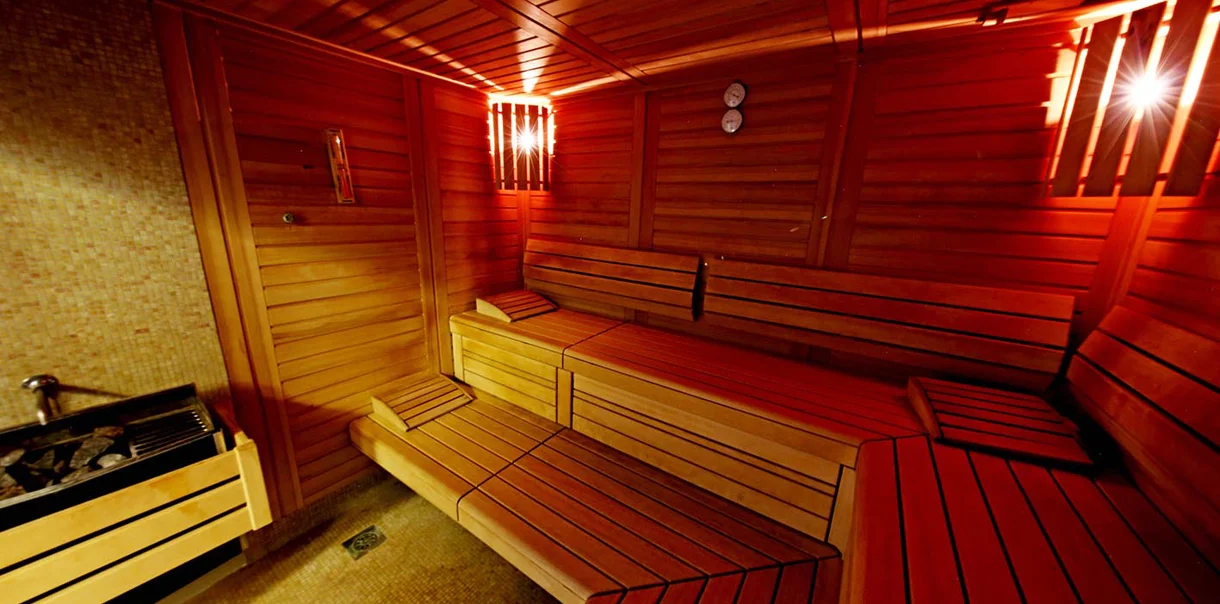
Living gracefully means understanding that certain environments operate on unspoken contracts of discretion and hygiene. These are not public squares; they are sanctuaries of privacy where the rules of social engagement shift from visibility to invisibility. Whether you are in a sauna, on a golf course, or in an adult venue, your primary duty is to protect the comfort and dignity of others by adhering to strict standards of conduct.
Hygiene as a form of respect
In spaces where people are vulnerable or exposed, cleanliness is the highest form of politeness. In saunas and spas, this means showering thoroughly before entering and sitting on a towel at all times. It means avoiding lotions or oils that can transfer to shared surfaces. In golf, it involves raking bunkers and replacing divots, ensuring the next player faces no disadvantage. These small acts signal that you value the shared experience over your own convenience.
Discretion and silence
Privacy is the currency of niche spaces. In adult venues or private clubs, conversation should be hushed, and photography is almost always prohibited. On a golf course, silence is maintained during swings to prevent distraction. Avoid discussing sensitive topics or personal details that could embarrass others if overheard. The goal is to be present but unobtrusive, allowing others to relax without the pressure of being observed or judged.
The rule of non-interference
Respecting these spaces also means not imposing your presence on those who wish to remain anonymous. Do not approach strangers for conversation unless they explicitly invite it. Do not ask questions about membership, status, or personal history. In many of these environments, the ability to blend in and remain unnoticed is the ultimate sign of social grace. By keeping your interactions minimal and your hygiene impeccable, you contribute to the atmosphere of mutual respect that defines civilized living.
Build confidence through consistency
Social confidence isn’t a personality trait you’re born with; it’s a skill you build through repetition. When you practice small etiquette rules—like holding a door or listening without interrupting—you stop negotiating with yourself in the moment. These actions become automatic, freeing up mental energy for genuine connection rather than performance anxiety.
Think of etiquette as a social operating system. The more you run the same programs, the less likely you are to crash under pressure. This consistency signals reliability to others. People trust those who are predictable in their kindness and respect. Over time, this reputation becomes your most valuable asset in both personal and professional circles.
To start building this foundation, adopt a daily checklist of three core habits. Focus on consistency over perfection. If you slip up, simply reset the next day. The goal is progress, not flawlessness.
-
Greet three people by name today.
-
Practice active listening in one conversation.
-
Express gratitude to someone who helped you.
Frequently asked questions about etiquette
Understanding the core principles of graceful living helps navigate social interactions with confidence. These common queries clarify the difference between basic manners and the deeper practice of civilized living.
Applying these principles creates a ripple effect, encouraging others to act with similar grace. By focusing on mutual respect, you contribute to a more harmonious environment for everyone.
No comments yet. Be the first to share your thoughts!