

The new rules of hosting
Social gatherings are undergoing a quiet revolution. It’s not about abandoning hospitality, but rethinking it. In 2026, the desire for connection remains strong, but it’s increasingly tempered by a growing awareness of our environmental impact. This shift is giving rise to a new form of etiquette – one that prioritizes sustainability alongside grace and consideration.
The word "sustainable’ can feel daunting, loaded with expectation. This isn’t about achieving a flawless, zero-waste event, and it’s certainly not about judgment. Instead, it"s about making mindful choices, acknowledging our impact, and striving for improvement. Eco-conscious gatherings are about aligning our actions with our values, and fostering a sense of shared responsibility.
Etiquette, at its heart, is about navigating social situations with respect and consideration. As Columbus Classical Academy points out, it’s the 'dance of living in civilized community'. Now, that dance includes a new partner: environmental stewardship. Expectations are changing. Guests are becoming more attuned to the sustainability practices of hosts, and a genuine effort is increasingly appreciated.
Invites and guest lists
The invitation sets the tone. Digitally sent invitations are the most eco-friendly option, reducing paper waste and the carbon footprint of postal delivery. Services like Paperless Post offer elegant designs and RSVP tracking. However, if you prefer paper invitations, opt for recycled paper with plantable seeds embedded within. This isn’t just a nice touch—it’s a statement.
Be direct on the invite. Ask people to bring their own water bottles or suggest carpooling. I've found that a quick note about supporting local vendors works well, though I'm still figuring out the best way to set expectations without sounding like I'm lecturing the guest list.
Guest list size is another crucial consideration. Fewer guests generally translate to a smaller environmental impact, particularly regarding food waste and travel. Encourage carpooling, public transportation, or biking. If guests are traveling from a distance, perhaps suggest accommodations that prioritize sustainability. The fewer miles traveled, the better.
- Use digital services like Paperless Post or Greenvelope to save paper.
- Paper Invitations: Recycled paper, plantable seed paper
- Invitation Wording: 'BYOBottle', 'Carpool encouraged', 'Locally sourced refreshments'
Setting the table
You don't need brand new linens to set a nice table. Bamboo plates and palm leaf cutlery are sturdy and go straight into the compost. I prefer hitting thrift stores for mismatched vintage silverware; it gives the table more character than a standard rental set.
Glassware presents a challenge. While reusable glass is ideal, breakage is a concern. Consider renting glassware for larger events, or opting for durable, reusable plastic alternatives that can be washed and reused many times. Avoid single-use plastic cups at all costs. They have no place at an eco-conscious gathering.
Decorations should also reflect your values. Locally sourced flowers are preferable to those shipped from afar. Wildflowers or foraged greenery can add a natural touch. Avoid plastic decorations entirely. Think candles made from beeswax or soy wax, and centerpieces crafted from natural materials like wood or stones. It doesn’t have to be stark – you can create a beautiful atmosphere without compromising your principles.
The key is balance. Sustainability doesn’t require sacrificing aesthetics. It requires creativity and a willingness to explore alternatives. It's about proving that "eco-friendly’ can also mean ‘elegant".
Food and drink
The menu is arguably the most significant area for reducing your event’s environmental impact. Prioritize local, seasonal produce. Farmers' markets and CSAs (Community Supported Agriculture) are excellent sources. A plant-forward menu – emphasizing vegetables, fruits, and grains – significantly reduces your carbon footprint compared to meat-heavy options. According to the USDA, beef production, for example, requires substantially more resources than plant-based protein sources.
Reducing meat consumption doesn’t mean eliminating it entirely. If you do serve meat, choose sustainably raised options from local farms. Consider offering smaller portions or incorporating meat as an accent rather than the main course. Think about creative vegetarian and vegan options that are just as appealing as their meat-based counterparts.
Leftovers are inevitable. Encourage guests to bring their own reusable containers to take food home. If that's not feasible, have a supply of reusable containers on hand. Beverage choices matter too. Offer tap water in pitchers, local craft beers, and organic wines. Avoid single-use plastic bottles and cans. Consider offering a signature cocktail made with seasonal ingredients.
Composting food scraps during the event is a powerful statement. Set up a clearly labeled composting bin alongside your recycling and landfill bins. This requires some planning, but it demonstrates a commitment to reducing waste. A simple system with clearly marked bins can make a big difference.
- Buy seasonal produce from the local farmers' market.
- Emphasize plant-forward dishes
- Choose sustainably raised meat (if served)
- Offer tap water, local beverages, and organic options
Food Sourcing Options: A Tradeoff Analysis for Eco-Conscious Events
| Option | Environmental Impact | Cost | Convenience | Notes |
|---|---|---|---|---|
| Local Farm | Low | Medium to High | Low | Directly supports regional agriculture and minimizes transportation emissions, but may require significant planning and coordination. |
| Farmers Market | Medium | Medium | Medium | Offers fresh, seasonal produce with reduced transportation compared to supermarkets. Availability is often limited to specific days and times. |
| Supermarket | Medium to High | Low to Medium | High | Provides year-round access to a wide variety of foods, but often involves extensive transportation and packaging. |
| Imported Foods | High | Medium to High | High | Generally has the largest carbon footprint due to long-distance transportation and potential for unsustainable farming practices. May offer items unavailable locally. |
| Community Garden | Low | Low | Low to Medium | Requires collective effort and planning, but offers extremely localized food production and fosters community engagement. |
| Foraged Foods (with expertise) | Low | Very Low | Low | Can be a highly sustainable option, but requires extensive knowledge of local flora and adherence to responsible foraging practices and legal regulations. |
| Cooperative Buying | Medium | Low to Medium | Medium | Pooling resources with others to purchase in bulk can reduce costs and packaging, but requires organization and shared storage. |
Illustrative comparison based on the article research brief. Verify current pricing, limits, and product details in the official docs before relying on it.
Managing waste
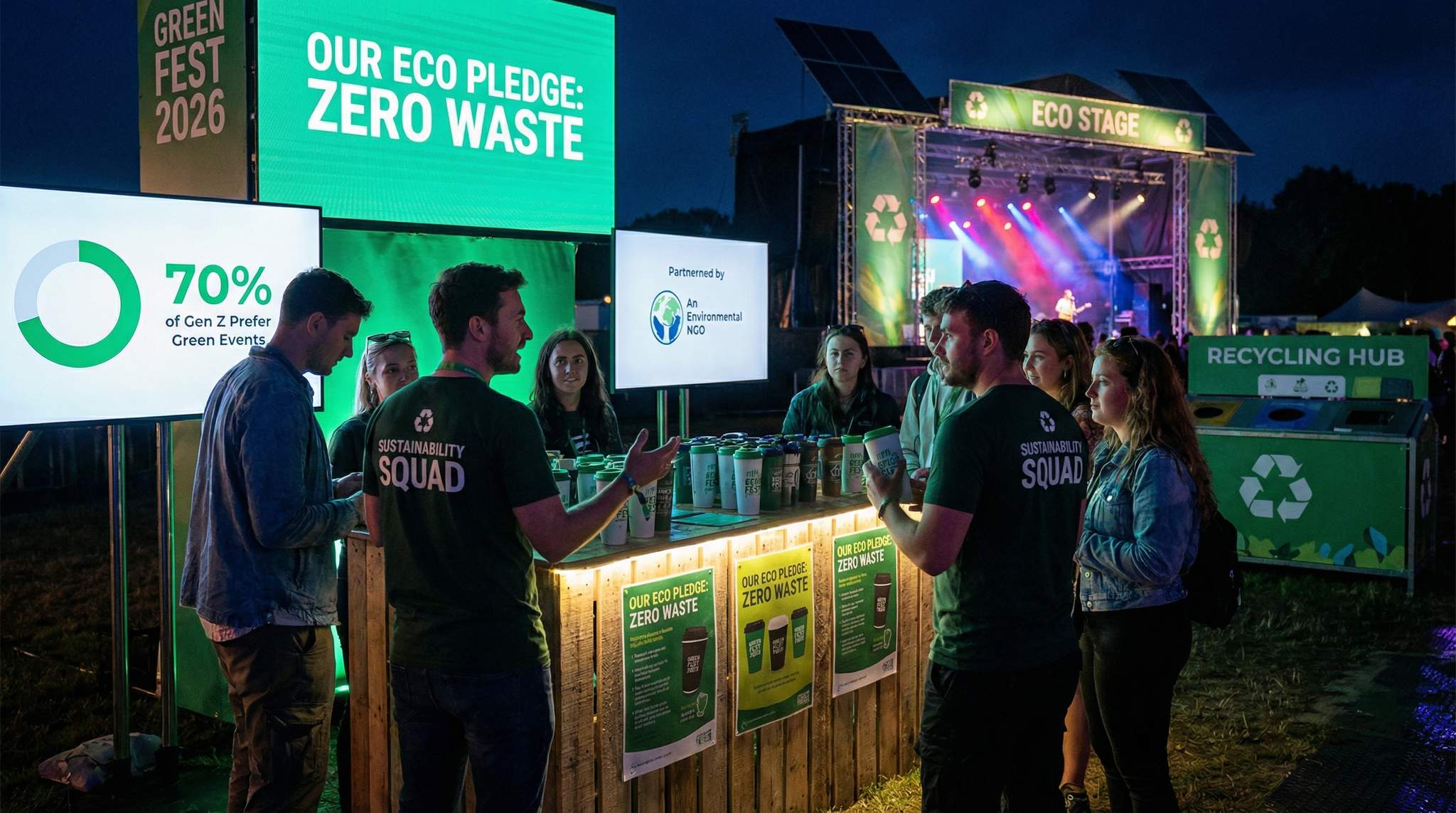
Effective waste management is the cornerstone of an eco-conscious event. Setting up clearly labeled bins for composting, recycling, and landfill is essential. Use consistent colors and clear signage to avoid confusion. Many municipalities have specific recycling guidelines, so be sure to check your local regulations. A quick search on your city’s website should provide the necessary information.
The biggest challenge is often contamination – when non-recyclable items end up in the recycling bin. This can render an entire batch of recyclables unusable. Clear signage and, if possible, a volunteer to monitor the bins can help minimize contamination. Be realistic, though. Achieving truly zero-waste is incredibly difficult, especially with varying local recycling infrastructure.
For items that can’t be recycled or composted, explore alternative solutions. TerraCycle offers recycling programs for hard-to-recycle items like plastic packaging and beauty products. Consider donating unwanted items to local charities or organizations. Reducing consumption in the first place is, of course, the most effective strategy.
I’m not convinced a totally zero-waste event is always achievable, but aiming for significant reduction is a worthwhile goal. Every little bit helps, and demonstrating a commitment to responsible waste management sends a powerful message.
Conversation & Activities: Mindful Engagement
Eco-conscious gatherings aren't just about sustainable practices; they're about fostering a sense of community and shared values. Steer conversations toward sustainable topics organically, without being preachy or judgmental. Share your own experiences and learnings, and encourage others to do the same. The goal is to inspire, not to lecture.
Suggest activities that align with eco-values. A nature walk or a visit to a local farm can be a fun and educational experience. A seed swap allows guests to share seeds and learn about gardening. A DIY workshop – making beeswax wraps or upcycled crafts – can be both creative and sustainable.
Remember, these events should be enjoyable. The social aspect is just as important as the environmental aspect. Create a relaxed and welcoming atmosphere where guests feel comfortable connecting with each other and sharing their passions. It’s about building relationships around shared values, not imposing a set of rules.
As Maura Graber of Etiquette with Maura Graber points out, etiquette is about acting civilized, and that includes being mindful of the impact our choices have on the world around us. Conversational grace is as important as composting.
- Nature walks
- Seed swaps
- DIY workshops (beeswax wraps, upcycled crafts)
- Local farm visits
Conversation Starters
- Seed Swaps - Discuss your experiences with local seed swaps and the benefits of heirloom varieties. Have you participated in one recently?
- Repair Cafés - Share stories about items you’ve repaired (or attempted to repair!) at a repair café. What was the most challenging fix?
- Composting Systems - Talk about your composting setup – backyard bin, vermicomposting, or community composting. What works well for you and what are the challenges?
- Local Farmers Markets - What are your favorite seasonal finds at the farmers market? Have you tried a CSA (Community Supported Agriculture) box?
- Sustainable Transportation - Discuss your preferred eco-friendly transportation methods. Do you bike, walk, use public transit, or carpool?
- Zero Waste Challenges - Have you undertaken any zero-waste challenges? What were the biggest hurdles and successes?
- Eco-Friendly Product Swaps - What’s one conventional product you’ve successfully swapped for a more sustainable alternative? (e.g., shampoo bars, reusable food wraps)




No comments yet. Be the first to share your thoughts!