

The new rules of retreats
Wellness retreats aren't just about spa days anymore. Now that we're seeing everything from silent meditation to psychedelic therapy, the old rules of politeness don't quite cover it. You need to know how to act when things get intense.
This isn’t just about politeness; it’s about respecting the space, the facilitators, and fellow participants who are often undertaking vulnerable inner work. The surge in specialized retreats – breathwork intensives, sound healing journeys, plant medicine ceremonies – means that each context will have its own nuances. A retreat focused on silent meditation will require a different approach than one centered around ecstatic dance.
It's also important to acknowledge the financial investment. These experiences aren’t typically inexpensive, and that level of commitment often comes with heightened expectations. Participants are investing in more than just relaxation; they’re investing in personal growth, healing, and a sense of community. Understanding this dynamic is the first step towards practicing good retreat etiquette. A clear understanding of what you’re actually paying for is useful.
Sound baths and silence
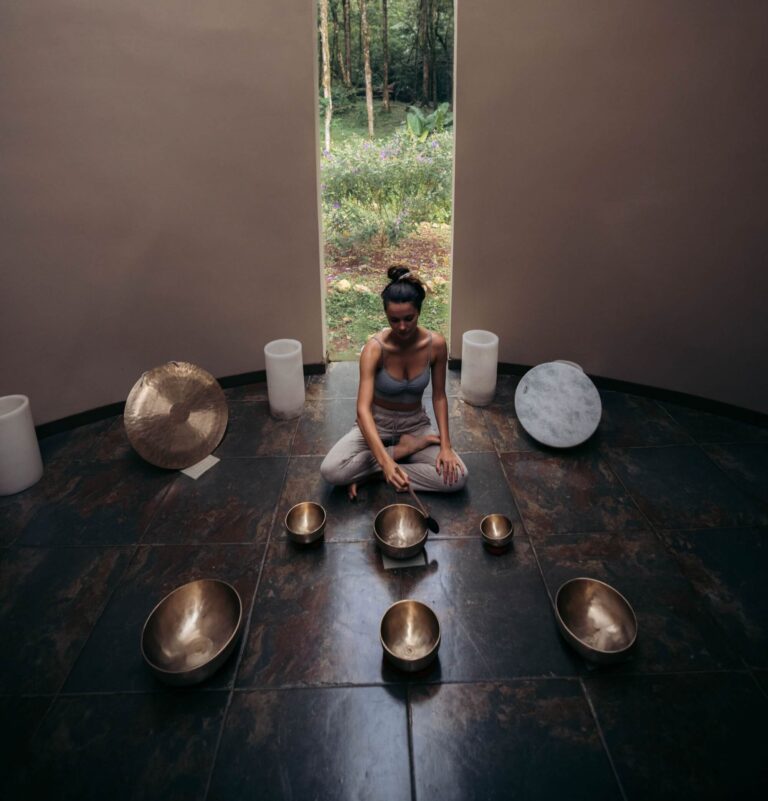
Sound baths are relatively new to many, involving a practitioner using instruments like singing bowls or gongs to create immersive soundscapes designed to promote relaxation, vibration, and altered states of consciousness. The etiquette here is simple: arrive on time (or even a few minutes early to settle in), find a comfortable position—lying down is common—and refrain from talking during the session. Respect the personal space of others.
This extends to other silent practices like meditation or mindful walking. These spaces are intentionally created for inner stillness and contemplation. If someone happens to snore during a meditation, avoid reacting with annoyance. If a baby cries (at retreats that welcome families), remember that life happens. Navigate these disruptions with compassion and understanding.
The key principle is consideration. These spaces are for everyone, and we all have a responsibility to create a welcoming and supportive environment. It's about recognizing that your actions impact others, and choosing to act in a way that honors the shared experience. Be mindful of any sounds you might be making as well – rustling clothes, fidgeting, etc.
Group sharing
Many retreats incorporate group sharing circles, providing a space for participants to connect and share their experiences. While these aren’t therapy sessions, they can often feel therapeutic. The etiquette here centers around active listening – making eye contact, avoiding interrupting, and truly hearing what others are saying, even if you don’t agree with it.
Resist the temptation to offer unsolicited advice or dominate the conversation. Everyone’s journey is different, and what works for one person may not work for another. Your role is to listen and hold space, not to fix anyone’s problems. It can be challenging to simply listen without offering solutions, but it’s one of the most powerful gifts you can give.
Navigating unsolicited advice can be tricky. I’m not sure there’s a perfect answer. Perhaps a gentle redirection – “That’s an interesting perspective, and I appreciate you sharing. I’m just trying to process my own experience right now” – might be effective. It’s about setting boundaries without being confrontational.
Food and physical space
Retreat food is usually specific—often vegan or gluten-free. Tell the staff about your allergies early. When you're in the dining hall, keep your voice down and don't hoard the best dishes.
Physical touch requires explicit consent. Avoid unsolicited hugs, massages, or any other form of physical contact. Be aware of personal space and respect boundaries. This applies to all interactions, not just those related to specific treatments or activities.
Communal spaces like yoga studios and bathrooms should be left clean and tidy for the next person. Maintain quietness in designated quiet zones. Respecting shared resources demonstrates consideration for others and contributes to a harmonious environment.
Going home
The retreat itself is just the beginning. The real work begins when you return home. Integrating the insights and experiences you’ve gained into your daily life is essential for lasting transformation. This might involve journaling, meditation, therapy, creative expression, or simply making small changes to your routines.
Be prepared for the potential for post-retreat blues. It’s common to feel a sense of disorientation or sadness after returning to the “real world.” Allow yourself time to adjust, and continue to practice the tools and techniques you learned during the retreat. Seek support from friends, family, or a therapist if needed.
A retreat isn’t a one-time fix; it’s a catalyst for ongoing growth. It’s about cultivating a deeper connection with yourself, fostering a greater sense of purpose, and living a more authentic and fulfilling life. The insights gained are valuable, but they require consistent effort to fully blossom.
Is This Retreat Right For Me? - A Self-Assessment
| My Comfort Level with Silence | My Experience with Meditation | My Willingness to be Vulnerable | My Physical Health | My Mental Health |
|---|---|---|---|---|
| High | High | High | Good | Stable |
| High | Medium | High | Good | Stable |
| High | Low | High | Good | Stable |
| Medium | High | High | Good | Stable |
| Medium | Medium | Medium | Good | Stable |
| Medium | Low | Medium | Good | Stable |
| Low | High | High | Good | Stable |
| Low | Low | Low | Good | Stable |
Illustrative comparison based on the article research brief. Verify current pricing, limits, and product details in the official docs before relying on it.




No comments yet. Be the first to share your thoughts!