


The 2026 etiquette reset: Living civilized today
The 2026 etiquette reset moves beyond archaic rules of high-society manners to focus on intentional respect and cooperation. To live civilized is to choose core human decency over performative politeness, creating a peaceful environment for everyone involved.
A civilized person treats others with fairness and kindness. This includes knowing how to say "please" and "thank you," but it extends to how we handle disagreement and conflict. Social animals thrive by cooperating for mutual benefit; civilization is simply the framework that allows this cooperation to flourish. It is not about being perfect; it is about consistently choosing to treat others with the dignity they deserve.
How to Handle Social Interactions with Grace
Civilized living is not about rigid etiquette rules or memorizing a list of "dos and don'ts." It is about creating a shared sense of ease in every interaction. When you treat social exchanges as a cooperative effort rather than a performance, you reduce friction for everyone involved. This approach builds trust and makes everyday encounters—whether with a barista, a colleague, or a neighbor—feel more human and less transactional.
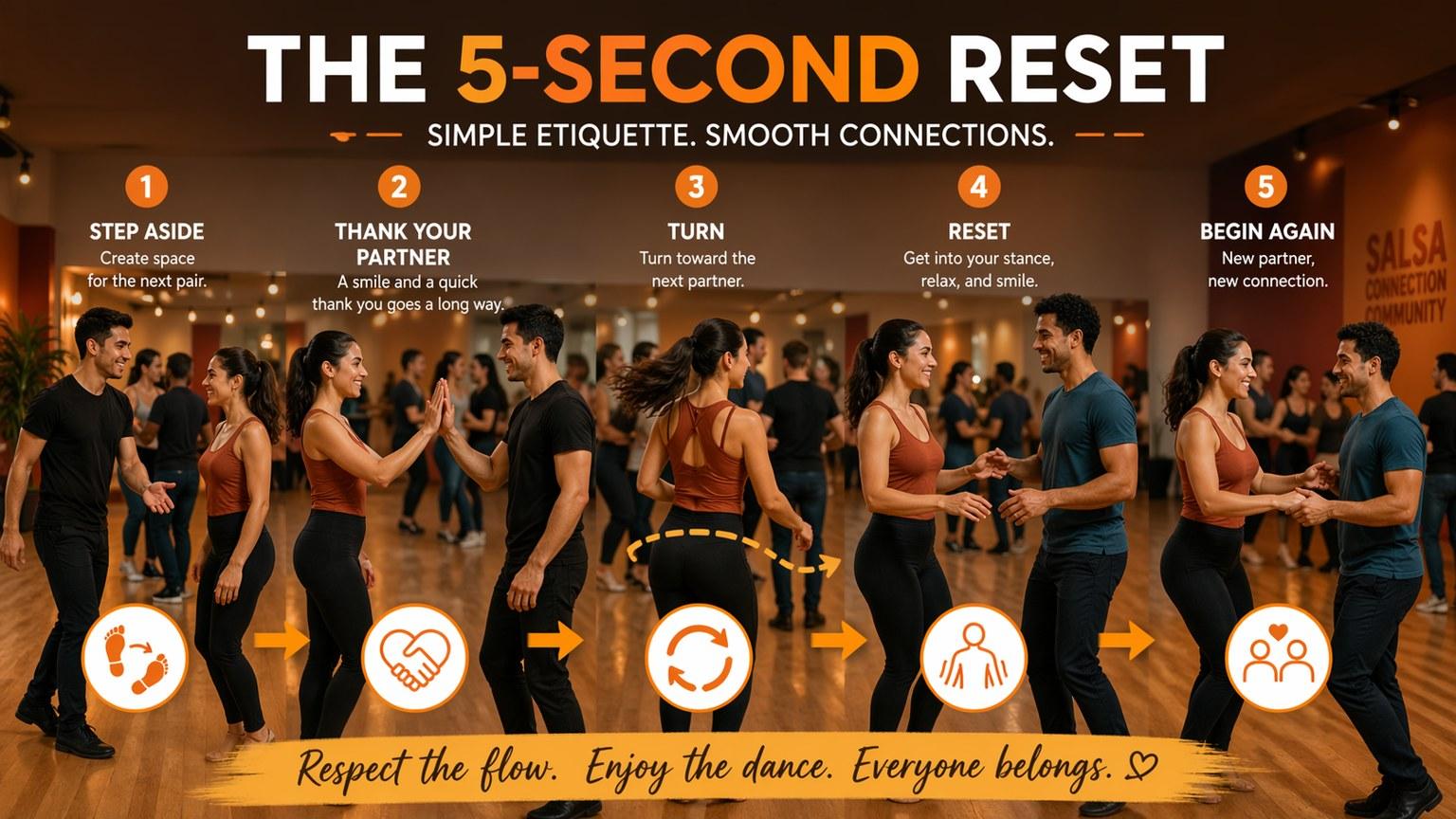
The following workflow provides a practical sequence for navigating real-world social situations. By following these steps, you can maintain your composure, show genuine respect, and ensure that your presence leaves others feeling better than before they met you.
Before you speak or act, take a brief moment to center your attention. This is not about suppressing your emotions, but about choosing your response rather than reacting impulsively. A simple breath helps shift your focus from internal noise to external cues. This pause signals to your brain that you are ready to engage with intention, setting a calm tone for the interaction.
Make eye contact and offer a genuine greeting. This initial acknowledgment validates the other person’s presence and establishes a baseline of mutual respect. It does not need to be elaborate; a simple smile or a nod is often enough. This small act of recognition breaks down barriers and invites a more open, cooperative dynamic from the start.
Focus entirely on what the other person is saying. Resist the urge to formulate your response while they are still speaking. Active listening demonstrates that you value their perspective and are engaged in the conversation. When people feel heard, they are more likely to lower their guard and engage in a more meaningful, civilized exchange.
Once you have processed their words, respond thoughtfully. Choose language that is clear, direct, and free of unnecessary aggression or sarcasm. If you disagree, frame your perspective respectfully without attacking the other person’s character. Kindness is not about being passive; it is about maintaining dignity and respect even when tensions rise.
End the conversation with a clear, polite closing. This could be a simple "thank you for your time" or a sincere wish for their day. A graceful exit leaves a lasting positive impression and ensures that the interaction ends on a note of mutual respect, rather than lingering awkwardness or unresolved tension.
Digital etiquette for modern life
Civilization began when we learned to restrain our instincts for the sake of the group. Today, that restraint happens across screens. Digital etiquette is not about rigid rules; it is about extending basic human courtesy into spaces where tone is easily lost and attention is scarce. Treating digital interactions with the same care as face-to-face conversations preserves our shared social fabric.
Mind your tone in text
Text lacks the nuance of voice and body language. A direct statement can read as aggressive, while a question might seem passive. Before sending, read your message aloud. If it sounds harsh, soften it. Use "please" and "thank you" even in brief exchanges. These small markers of respect signal that you see the recipient as a person, not just a task to be cleared.
Respect attention as a limited resource
In a civilized society, we do not shout in quiet libraries. The digital equivalent is respecting others' time and focus. Avoid sending non-urgent messages during off-hours unless it is an emergency. Keep group chats focused on the topic at hand. If a conversation requires more than a few back-and-forth exchanges, switch to a call or video chat. Long, rambling voice notes are often a burden; text summaries are a courtesy.
Navigate AI with clarity
As we interact more with artificial intelligence, clarity becomes a form of politeness. Be specific in your prompts to save processing power and time. Acknowledge AI as a tool, not a replacement for human judgment. When using AI-generated content, ensure it is accurate and properly attributed. Treat digital assistants with basic manners, not because they feel, but because it reinforces your own habits of precision and respect.
Curate your digital presence
Your online footprint is part of your character. Post content that adds value rather than noise. Refrain from engaging in flame wars or public shaming. If you disagree, do so privately or with measured, factual arguments. A civilized digital citizen contributes to the health of the community, not its toxicity. Regularly audit your own posts: would you be comfortable saying this face-to-face?
Common mistakes in modern manners
Civilized behavior is often less about rigid rules and more about maintaining social trust. When we slip into bad habits, we erode that trust quickly. The following are the most frequent breaches of etiquette and how to correct them immediately.
Ignoring the "Please" and "Thank You"
Omitting basic courtesy phrases makes interactions feel transactional and cold. It signals that you view others as tools rather than people. The Fix: Make it a habit to include "please" when requesting and "thank you" when receiving, regardless of the context. This small addition restores dignity to the exchange.
Interrupting and Multitasking
Talking over someone or checking your phone during a conversation is a direct dismissal of their worth. It breaks the flow of dialogue and signals that you are not fully present. The Fix: Practice active listening. Keep your phone out of sight and wait for the other person to finish their thought before responding. This simple act builds immediate respect.
Assuming Familiarity Too Quickly
Using nicknames, overly casual language, or physical touch before establishing rapport can make others feel uncomfortable or disrespected. The Fix: Start with formal titles and polite distance. Let the other person guide the pace of familiarity. This prevents awkwardness and shows you value their boundaries.
Leaving a Mess
Whether it is a dirty kitchen counter or a disorganized desk, leaving a mess for others to clean up is a significant breach of civilized conduct. It shifts your burden onto others. The Fix: Always leave a space better than you found it. If you make a mess, clean it up immediately. This demonstrates responsibility and consideration.
Build confidence through practice
Civilization is not a static state; it is a muscle that atrophies without use. To live civilized is to treat courtesy as a skill rather than an innate trait. You do not wait for the perfect moment to be polite. You practice until the reflex becomes automatic.
Start with a simple daily checklist. Each morning, commit to three specific actions: greet someone with eye contact, listen without interrupting, and thank a service worker by name. These small, concrete gestures are the building blocks of a stable, cultured life. They signal respect and create the permanence of trust in your interactions.
Track these habits for a week. Notice how the friction of social anxiety decreases as the actions become routine. Confidence follows competence. When you know exactly how to navigate a conversation or a queue, you stop worrying about what others think and start focusing on the quality of the exchange.
-
Greet one person with eye contact and a smile
-
Listen fully before responding in conversation
-
Thank a service worker or colleague by name
-
Reflect on one interaction where you could have been kinder
This approach removes the guesswork from social grace. You are not trying to be perfect; you are trying to be consistent. Over time, these small acts compound into a reputation for reliability and warmth. That is the foundation of a civilized life.
No comments yet. Be the first to share your thoughts!