

The new terrain of digital circles
Psychedelic integration circles, traditionally held in person, are increasingly moving online. This shift isn’t necessarily a compromise, but a natural evolution driven by accessibility and the desire to reach wider audiences. For many, geographical limitations or scheduling conflicts previously made participation difficult. Now, someone in rural Montana can connect with a group led by a facilitator in Amsterdam, and that’s a powerful thing.
The history of these circles stretches back to the early days of psychedelic research, with practitioners recognizing the need for guided support following profound experiences. Initially, these were informal gatherings among friends and colleagues. Over time, they became more structured, often led by therapists or experienced facilitators. The internet simply provides a new medium for this ancient practice, one with both opportunities and challenges.
This expansion comes with a need for a new set of considerations. The intimacy of a physical space is different than a Zoom call. Creating a safe and supportive environment online requires intentionality and a clear understanding of the unique dynamics at play. It demands a new kind of digital interactions etiquette for these healing communities. We're adapting tried-and-true principles to a very different landscape.
It's easy to fall into the trap of thinking online interaction is somehow 'less than' face-to-face. But it's not. It's different. And understanding those differences is the first step towards building thriving, supportive communities in the digital realm.
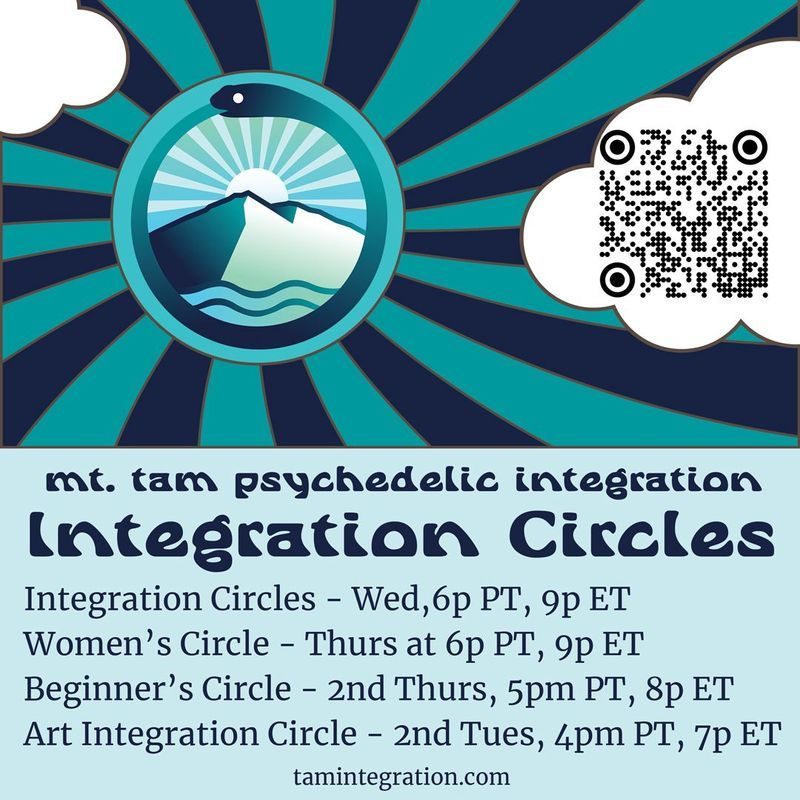
How holding space changes online
The biggest change is losing body language. In a room, you feel the energy shift or see a small facial twitch. On a screen, that context disappears. You have to say what you mean more clearly because the group can't read your posture.
The potential for distraction is also greater in a digital environment. Notifications, emails, and the temptation to multitask can all pull our attention away from the present moment. This can be particularly detrimental in a psychedelic integration circle, where focused presence is essential. Screen fatigue is real, and it impacts emotional regulation. Spending hours staring at a screen can leave us feeling drained and less able to process complex emotions.
I've noticed in my own participation in online groups that it's easier to disassociate. The physical distance can create a psychological barrier, making it harder to feel fully present and connected. This isn’t necessarily a bad thing – some people may feel more comfortable sharing in a less physically imposing environment – but it’s something to be mindful of. We need to actively cultivate a sense of presence and connection to overcome these challenges.
Basic Digital Etiquette: Foundations First
The foundation of any respectful interaction, online or offline, is basic etiquette. In a digital integration circle, this translates to practical considerations like muting your microphone when you’re not speaking. It seems obvious, but background noise – a barking dog, a ringing phone – can be incredibly disruptive. Similarly, be mindful of your visual surroundings. A cluttered or distracting background can pull focus away from the speaker.
Utilize the chat function thoughtfully. While it can be a useful tool for sharing resources or asking clarifying questions, avoid engaging in side conversations that detract from the main discussion. It's the digital equivalent of whispering to your neighbor during a lecture. Test your technology beforehand to ensure your audio and video are working properly. There’s nothing worse than scrambling to fix technical issues mid-sharing.
Think of these guidelines as mirroring in-person etiquette. Making eye contact – looking directly at the camera – shows engagement. Avoiding interrupting – letting others finish their thoughts – demonstrates respect. These simple actions can go a long way in creating a safe and supportive environment.
- Mute when not speaking
- Use the chat function intentionally
- Minimize background noise and distractions
- Test your technology beforehand
- Look at the camera lens to simulate eye contact
Privacy and the digital container
Confidentiality is paramount in psychedelic integration work. What is shared within the circle must remain within the circle. This isn’t just about respecting privacy; it’s about creating a space where people feel safe enough to be vulnerable. The potential for breaches of confidentiality is, unfortunately, greater in a digital space. Screenshots, recordings, and the ease of sharing information online all pose significant risks.
Building a strong "container’ – a sense of safety, trust, and boundaries – is crucial. This requires explicit agreements about confidentiality at the outset. The facilitator should clearly state the importance of respecting each other’s privacy and the consequences of violating that trust. It"s also helpful to discuss the potential risks of digital communication and how to mitigate them.
Unlike an in-person circle where you might have a general sense of who is present, online it’s easier to have uninvited guests or compromised security. Facilitators should be diligent about managing access to the meeting and ensuring that only authorized participants are present. Remind participants to be aware of their surroundings and to avoid sharing sensitive information in public spaces. Digital spaces require more intentionality around confidentiality, not less.
I have seen trust vanish because of one screenshot. Keeping a space safe isn't a one-time setup; it is a constant choice everyone in the group has to make.
Navigating Trigger Warnings & Sensitive Sharing
Psychedelic experiences can bring up difficult emotions and memories. It’s essential to proactively use trigger warnings when discussing potentially sensitive topics. This allows participants to prepare themselves emotionally or to step away if needed. Be specific about the content that might be triggering – for example, mentioning themes of trauma, abuse, or loss.
When someone is sharing vulnerably online, offer support without offering unsolicited advice. Active listening – simply being present and acknowledging their experience – is often the most helpful thing you can do. Avoid jumping in with your own stories or attempting to "fix" their problems. The goal is to create a space where people feel heard and validated, not judged or analyzed.
Be aware of your own limits and recognize when someone might need professional support. If a participant is experiencing a crisis or expressing suicidal ideation, encourage them to reach out to a qualified mental health professional. Provide resources and support, but avoid taking on the role of therapist. It’s important to know when to defer to someone with specialized training. A list of resources should be readily available.
- Warn the group before sharing graphic or heavy details
- Practice active listening
- Avoid unsolicited advice
- Know your limits and encourage professional help when needed
Moderation & Facilitator Roles
The facilitator plays a critical role in a digital integration circle. Their responsibilities extend beyond simply guiding the discussion. They must also actively moderate the online space, ensuring everyone feels safe and heard. This includes managing potential conflicts, addressing disruptive behavior, and enforcing the agreed-upon guidelines for participation.
Effective online moderation requires a specific skillset. Facilitators need to be comfortable using the platform’s features – muting participants, removing disruptive comments, and managing the chat function. They also need to be adept at reading non-verbal cues (even subtle ones) and responding to emotional shifts in the group. It’s about creating a sense of presence and connection, even through a screen.
Clear guidelines for participation are essential. These should be established at the outset and communicated to all participants. The guidelines should address issues such as confidentiality, respectful communication, and appropriate behavior. Consequences for violating the guidelines should also be clearly defined. This isn't about policing, but about protecting the space and ensuring everyone feels safe.
When to Disconnect: Boundaries & Self-Care
Participating in psychedelic integration circles can be emotionally demanding, even in a supportive environment. It’s crucial to set boundaries and practice self-care, both during and after the circle. Emotional contagion is a real phenomenon – we can unconsciously absorb the emotions of others. Protecting your own energy is essential.
Don’t hesitate to take breaks during the circle if you’re feeling overwhelmed. Step away from the screen, do some deep breathing exercises, or engage in a grounding activity. It’s also important to recognize your own limits and to know when you need to disconnect entirely. There's no shame in prioritizing your well-being.
After the circle, allow yourself time to process your experience. Journaling, meditation, or spending time in nature can all be helpful. If you’re feeling triggered or overwhelmed, reach out to a trusted friend, family member, or therapist. Remember, integration is an ongoing process, and it’s okay to ask for support.
- Take breaks during the circle when needed
- Practice grounding techniques
- Allow time for post-circle processing
- Seek support if you’re feeling overwhelmed
Post-Circle Support
- Insight Timer - Offers a vast library of free guided meditations, including options focused on grounding, anxiety reduction, and processing emotions.
- UCLA Mindful Awareness Research Center - Provides free guided meditations and resources on mindfulness practices, which can be helpful for integrating psychedelic experiences.
- The Center for Healthy Minds - Offers scientifically-backed resources and practices for cultivating well-being, including meditations and exercises to build resilience.
- 7 Cups - Provides access to trained active listeners for emotional support via text chat. Offers both free and paid subscription options.
- National Alliance on Mental Illness (NAMI) - A leading mental health organization offering information, support groups, and advocacy for individuals and families affected by mental illness.
- Journaling Prompts (general) - Reflect on the experience: What emotions arose? What insights were gained? What intentions do you want to carry forward? Focus on sensations in the body.
- Grounding Techniques - Five Senses Exercise: Name five things you can see, four things you can touch, three things you can hear, two things you can smell, and one thing you can taste. This can help reconnect you to the present moment.
- Crisis Text Line - Text HOME to 741741 to connect with a crisis counselor. Available 24/7 for immediate support during difficult moments.




No comments yet. Be the first to share your thoughts!