

Golf's environmental footprint
Golf courses are undeniably beautiful spaces, offering a unique blend of recreation and natural scenery. Yet, maintaining that beauty comes at a cost. Traditional golf course management demands significant resources – water, fertilizers, and pesticides – impacting the surrounding environment in ways that are becoming increasingly apparent. The sheer acreage dedicated to golf, while providing valuable green space, also presents a challenge when considering sustainable land use.
For years, the focus was on keeping courses pristine through heavy chemicals and constant watering. Now, more players are asking if a perfectly green fairway is worth the damage to local ecosystems. We are seeing a real change in what golfers expect from their home clubs.
It’s not that courses aren’t responding; many are actively implementing more sustainable practices. But the scale of the challenge is significant. A 2019 USGA report detailed ongoing efforts to reduce water consumption and pesticide use, but acknowledged that widespread adoption of these practices remains slow. The need for a collective effort, from course management to individual golfer behavior, is becoming increasingly urgent. We need to move beyond simply accepting the environmental cost and actively seek solutions.
Water conservation and responsible play
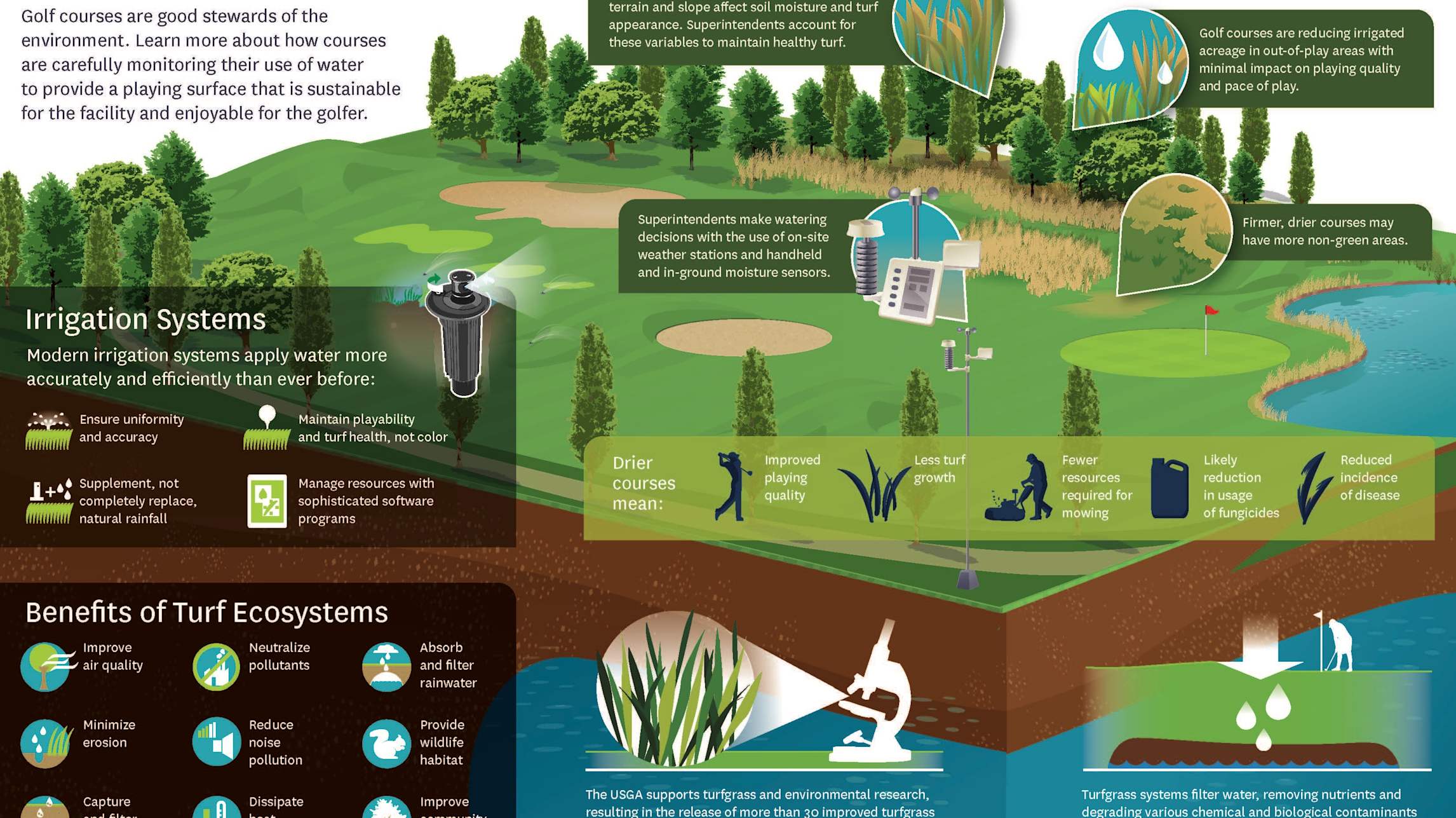
Water is arguably the most critical resource impacted by golf courses. Traditional turfgrasses, particularly those used on greens and fairways, require substantial irrigation, especially in arid and semi-arid climates. Golfers can directly contribute to water conservation by being mindful of their actions on the course. Simple things like avoiding unnecessary contact with sprinkler heads and promptly reporting any leaks to course staff can make a difference.
Walking routes matter too. Sticking to paths prevents soil compaction and protects the rough. Different grass types change the math on water usage; Bermuda grass handles heat well with little water, whereas bentgrass needs a constant soak to stay alive.
The concept of xeriscaping – landscaping with drought-tolerant plants – is gaining traction in various industries, and golf is no exception. While a complete overhaul of a course might not be feasible, incorporating native, low-water vegetation into rough areas and around hazards can significantly reduce water consumption. It's a long-term investment, but one that yields substantial environmental benefits.
- Report sprinkler leaks immediately.
- Stick to designated cart paths and walking routes.
- Avoid unnecessary contact with sprinkler heads.
- Support courses that plant drought-tolerant grasses
Protecting local ecosystems from runoff
The use of pesticides and fertilizers on golf courses has long been a concern for environmentalists. Runoff from these chemicals can contaminate waterways, harming aquatic life and impacting water quality. Excess nutrients, like nitrogen and phosphorus, can lead to algal blooms, depleting oxygen levels and creating "dead zones." The impact extends beyond the immediate vicinity of the course.
Fortunately, there’s a growing movement towards organic and biological pest control methods. These alternatives rely on natural predators, beneficial insects, and other ecological approaches to manage pests, reducing the reliance on synthetic chemicals. Courses like the Audubon Cooperative Sanctuary Program for Golf Environments are actively promoting these practices, and provide certification for courses that meet their standards.
Several courses have successfully transitioned to more sustainable practices. Pebble Beach Golf Links, for instance, has significantly reduced its pesticide use through a combination of integrated pest management techniques and the adoption of more resilient turfgrass varieties. This demonstrates that it is possible to maintain high-quality playing conditions while minimizing environmental harm. Finding examples like Pebble Beach is encouraging and shows a commitment to change.
Wildlife and natural areas
Golf courses often border or intersect with natural habitats, providing homes for a variety of wildlife. It’s crucial for golfers to remember that they are, in many ways, guests in these ecosystems. Respecting wildlife and avoiding disturbance is a fundamental aspect of eco-conscious golfing. This means maintaining a safe distance from animals, avoiding nesting areas, and refraining from feeding wildlife.
Staying on designated paths and avoiding sensitive vegetation is also important. Venturing off-course can damage delicate plant life and disrupt wildlife habitats. If you encounter any wildlife concerns – an injured animal, for example – report them immediately to course staff. They are often equipped to handle these situations.
We often think of golf courses as manicured landscapes, but they can also be valuable green spaces for biodiversity. By behaving responsibly and respecting the natural environment, golfers can help ensure that these courses continue to support healthy ecosystems. It’s about recognizing that the course is not just a place to play golf, but a part of a larger ecological network.

Minimizing turf damage from carts
Golf carts, while convenient, can have a significant impact on turf health. Repeated driving on the same areas leads to soil compaction, reducing the ability of the grass to absorb water and nutrients. This can result in weakened turf and increased susceptibility to disease. Proper cart path usage is therefore paramount.
Always follow the cart rules set by the course. These rules typically designate specific areas where cart traffic is permitted and prohibited. Avoid driving on sensitive areas, such as steep slopes and around greens and tees. The goal is to minimize the overall impact of cart traffic on the playing surface.
Electric carts are becoming the standard. They don't have tailpipe emissions, which keeps the air on the course cleaner. While making the batteries has its own impact, they are a better choice for daily use than gas-powered alternatives.
Waste reduction on the course
Golf generates a surprising amount of waste, from discarded water bottles and food wrappers to broken tees and divot repair material. Reducing waste requires a conscious effort from both course management and individual golfers. Bringing a reusable water bottle is a simple but effective way to reduce plastic consumption.
Avoiding single-use plastics whenever possible is also important. Consider using reusable tees or opting for biodegradable options. Properly disposing of trash in designated receptacles is, of course, essential. Many courses have implemented comprehensive recycling and composting programs, but their success depends on the participation of golfers.
I'm curious to see if any courses are experimenting with biodegradable golf balls or tees. While the technology is still evolving, these alternatives could potentially reduce the environmental impact of lost balls and discarded tees. It's a promising area of innovation that warrants further exploration. A commitment to waste reduction is a small but meaningful step towards more sustainable golfing.
- Bring a reusable water bottle.
- Use reusable or biodegradable tees.
- Properly dispose of trash in designated receptacles.
- Support courses with robust recycling programs.




No comments yet. Be the first to share your thoughts!