

Atmosphere without the waste
The visual atmosphere of a sustainable wellness retreat sets the stage for everything that follows. Forget contrived 'rustic' themes; intentional design is what truly reflects a commitment to ecological principles. Think less about mimicking nature and more about respecting it through conscious choices. This means moving beyond disposable decorations and embracing reusable or compostable materials.
Sourcing locally is paramount. Look for event spaces that prioritize natural light and ventilation, reducing the need for artificial climate control. When decorations are necessary, opt for foraged branches, wildflowers (responsibly gathered, of course), or textiles made from organic cotton or hemp. Avoid plastic confetti, balloons, and anything that will end up in a landfill. The goal is to create a calming, aesthetically pleasing environment that doesn’t compromise the planet.
Consider the sensory experience. Instead of overpowering fragrances, use essential oil diffusers with locally sourced, organic oils. Music should be ambient and nature-inspired, avoiding jarring sounds. Even the lighting plays a role; warm, soft lighting is far more inviting and sustainable than harsh fluorescent lights. It's a subtle shift, but one that signals to attendees that this event is different—that it values harmony with the environment.
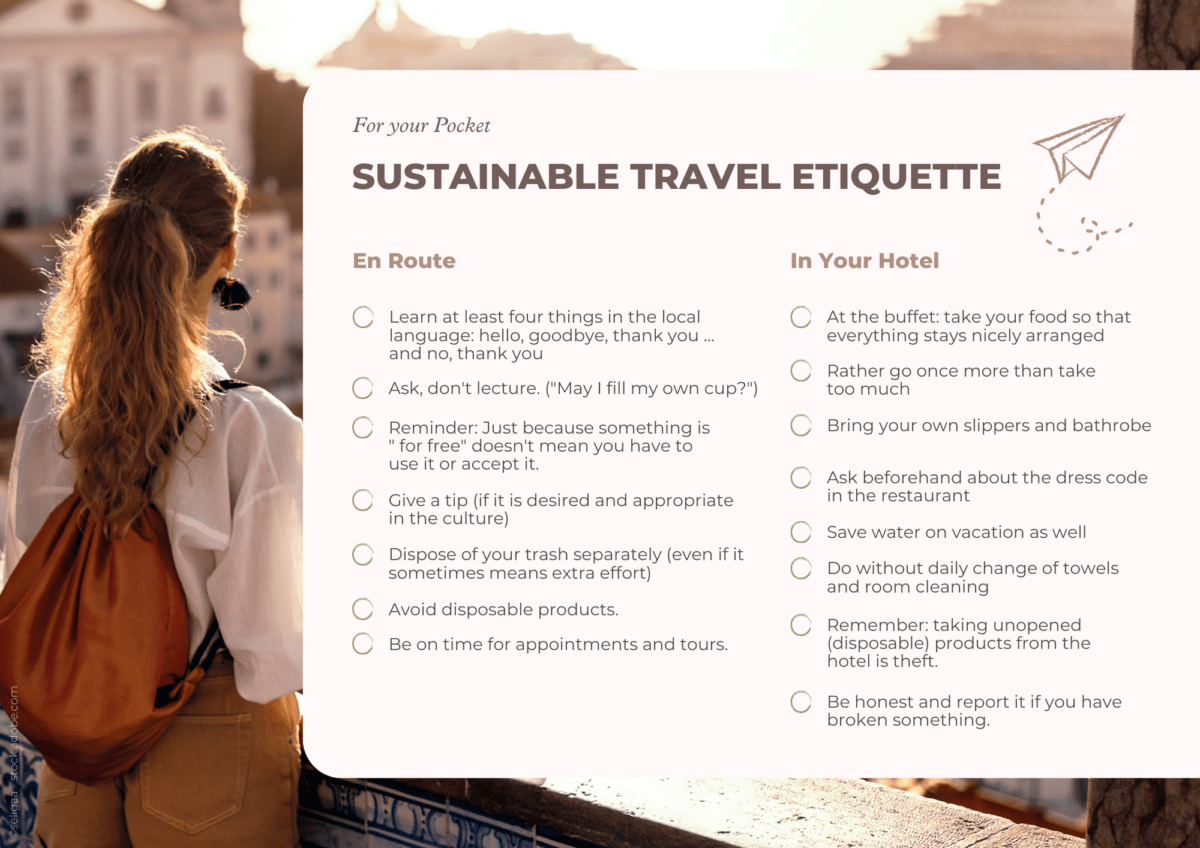
Better ways to start a conversation
Networking at these events often feels like a LinkedIn mixer in yoga pants. Asking 'What do you do?' usually hits a dead end. I've found that focusing on why someone actually showed up—their passions rather than their job title—breaks the ice much faster.
Try prompts like: “What brought you to this retreat?” or “What’s one small change you’ve made recently to live more sustainably?” or “What does wellness mean to you personally?” These questions invite deeper responses and show genuine interest. Sharing personal wellness journeys—challenges and triumphs—can be incredibly bonding. It’s about creating a safe space for authenticity.
Be mindful of boundaries. Steer clear of potentially sensitive topics like politics, religion, or restrictive diets unless someone explicitly brings them up. If a conversation veers into uncomfortable territory, politely redirect it with a change of subject or a gentle acknowledgment of differing viewpoints. Remember, the goal is to build connections, not to debate or proselytize.
Dietary Needs & Food Sharing Etiquette
Shared meals are a cornerstone of many wellness retreats, and navigating dietary requirements requires both awareness and sensitivity. It’s not simply about allergies; respecting vegan, vegetarian, gluten-free, and other dietary choices is crucial. Proactive communication with event organizers before the retreat is the first step. Clearly articulate your needs and inquire about the extent to which they can be accommodated.
When faced with a buffet or shared food station, politely decline offerings that don’t align with your dietary restrictions. Avoid making a spectacle of it; a simple “No, thank you, I have a dietary restriction” is sufficient. Be mindful of cross-contamination. If you’re preparing food for a shared meal, clearly label all ingredients and use separate utensils to avoid mixing allergens or animal products.
Potlucks require extra care. Consider providing a detailed ingredient list for your dish. Avoid making judgmental comments about others’ food choices. If you have concerns about the ingredients in a dish, politely ask the cook for clarification. Remember, food is often tied to personal and cultural beliefs, so approach the topic with respect. A simple gesture of offering to bring a dish that caters to specific needs can also be very thoughtful.
- Email the kitchen about your allergies at least two weeks out.
- Clearly label ingredients in shared dishes.
- Avoid judgmental comments about food choices.
- Be mindful of cross-contamination.
When to put the phone away
Many wellness retreats encourage a digital detox, a deliberate disconnection from technology to foster presence and mindfulness. However, navigating this in a social setting requires tact. It's unrealistic to expect everyone to completely abandon their devices, as some may need to stay connected for work or family reasons.
Politely decline requests for photos if you’re not comfortable being photographed. If you need to check your phone, excuse yourself from the conversation and step away from the group. Keep phone use to a minimum during group activities and meals. Be fully present with others when you’re engaging in conversation or participating in a workshop.
Acknowledge that others may have different boundaries around technology. Don’t judge those who choose to use their phones; simply model mindful phone use yourself. If someone is constantly on their phone during a group activity, avoid direct confrontation. Instead, gently redirect the conversation or suggest a break.
Gifting & Exchange Dynamics
Some retreats incorporate gift exchanges or opportunities to express gratitude to facilitators. The etiquette here centers around thoughtfulness and sustainability. Avoid extravagant or commercially produced gifts. Instead, focus on handmade, locally sourced, or eco-friendly items. A small, heartfelt gift is far more meaningful than an expensive one.
Consider non-material gifts, such as offering your skills or time. Perhaps you’re a massage therapist, a musician, or a writer. Offering to share your talents is a generous and sustainable way to express gratitude. If a gift exchange is involved, set a price limit to avoid creating a competitive atmosphere. The intention is to foster connection, not to showcase wealth.
If you receive a gift you don’t need or want, express sincere gratitude. Avoid making negative comments about it. You can always re-gift it to someone who would appreciate it more, or donate it to a local charity. Remember, the gesture of giving is what truly matters.
- Prioritize handmade, local, or sustainable gifts.
- Offer a skill, like a 20-minute guided stretch or a quick writing workshop, instead of buying more stuff.
- Set a price limit for gift exchanges.
- Express gratitude for any gift received.
Gift Appropriateness at Sustainable Wellness Retreats
| Gift Type | Appropriateness Score | Notes |
|---|---|---|
| Locally Sourced Honey | High | Supports local economies and minimizes transportation impact. A practical and appreciated gift. |
| Handmade Item (e.g., knitted scarf, pottery) | High | Demonstrates thoughtfulness and reduces consumption of mass-produced goods. Focus on natural fibers and non-toxic materials. |
| Organic Tea Blend | Medium | A consumable item with minimal packaging is generally well-received. Ensure ingredients are ethically sourced. |
| Seed Packets (Native Plants) | High | Promotes biodiversity and aligns with sustainable living principles. Choose species appropriate for the local climate. |
| Small-Batch, Natural Soap | Medium | A practical gift, but ensure ingredients are truly natural and packaging is minimal or compostable. |
| Donation to a Local Environmental Charity (in recipient's name) | High | Aligns with the values of sustainability and wellness. Discuss with the recipient beforehand to ensure it's welcome. |
| Commercially Produced 'Eco-Friendly' Product (e.g., bamboo toothbrush) | Low | Often carries a degree of greenwashing. The environmental benefit may be overstated, and production processes may not be fully transparent. Consider alternatives. |
| Excessively Packaged Food Item | Low | Contradicts the principles of sustainability due to waste generation. Avoid single-use plastics and excessive wrapping. |
Illustrative comparison based on the article research brief. Verify current pricing, limits, and product details in the official docs before relying on it.
Navigating Group Activities: Participation & Boundaries
Group activities are often integral to the wellness retreat experience. Participating respectfully is important, but so is honoring your own boundaries. You are not obligated to participate in every activity. Politely opt out if something doesn’t feel right for you. A simple “Thank you, but I’m going to sit this one out” is sufficient.
Avoid dominating group discussions. Give others a chance to share their thoughts and experiences. Be an active listener and create a safe space for vulnerability. If you notice someone is struggling or feeling uncomfortable, offer support and encouragement. Be mindful of your own energy levels and take breaks when needed. It’s okay to prioritize self-care.
Retreats can sometimes trigger emotional responses. Be aware of this possibility and create a supportive environment for others. If someone shares a difficult experience, offer empathy and validation without judgment. If you’re feeling overwhelmed, seek support from a facilitator or fellow attendee. Be prepared to practice compassion, both for yourself and for others. Recognize that everyone is on their own unique journey.
Leaving No Trace: Event Cleanup & Departure
The final act of eco-consciousness is to leave the event space as you found it—or better. This means properly disposing of waste, adhering to recycling protocols, and offering to help with cleanup. Don’t assume someone else will take care of it. Take responsibility for your own trash and actively look for ways to contribute to the collective effort.
Before departing, thank the organizers and facilitators for their efforts. Express your gratitude for the experience and the opportunity to connect with others. Consider writing a thank-you note or sending a small gift. Maintaining the connections you’ve made after the retreat ends is also important.
Extend the principles of sustainability beyond the event itself. Continue to practice mindful living in your daily life. Share your experiences with others and inspire them to adopt more eco-conscious habits. The goal is to create a ripple effect of positive change.



No comments yet. Be the first to share your thoughts!