

The Rise of Digital Doors: Why Psychedelic Communities Are Moving Online
The shift towards online psychedelic integration circles and virtual ceremonies is undeniable. It's driven by a confluence of factors: increased accessibility, lower costs compared to traditional retreats, and a degree of anonymity that appeals to many. The pandemic, of course, acted as a major catalyst, forcing many in-person groups to migrate online, and surprisingly, many found they preferred it.
This isn’t just about serving those who cannot access in-person experiences; a significant number actively choose the digital space. People appreciate the convenience of participating from the comfort of their own homes, and the ability to connect with a wider range of facilitators and communities globally. We’re seeing demographic shifts too, with younger generations, already comfortable with digital interactions, leading the charge.
Currently, platforms like Zoom and Discord are common choices, though they weren’t designed specifically for this purpose. More specialized platforms are emerging, some even incorporating virtual reality environments. Each platform offers unique advantages and drawbacks. VR offers immersive experiences but requires specialized equipment, while Zoom is accessible but lacks a sense of presence. Discord excels at community building but can feel less structured.
Establishing a Safe Container: Core Principles for Online Spaces
A "safe container" is the foundation of psychedelic work. In a digital environment, this means the space is private and participants give informed consent. Participants need to know their experiences will be held privately and treated with sensitivity.
Clear guidelines must be established before any session begins. This includes outlining expectations for participation, discussing what happens if someone has a difficult experience, and defining boundaries around sharing personal information. What are the protocols for needing to step away? What level of vulnerability is appropriate?
Facilitators need experience with challenging emotional states. Facilitators need to be able to create a sense of safety and trust, even through a screen, and to skillfully guide participants through their experiences.
- Confidentiality agreement
- Clear communication protocols
- Emergency contact information
Navigating the Tech: Minimizing Distractions and Maximizing Presence
Technical issues happen. You need a plan for when they do. Participants should mute notifications on their devices, ensure a stable internet connection, and find a quiet, private space where they won’t be disturbed. Understanding the platform’s features – how to adjust audio and video settings, how to use the chat function – is also important.
Virtual settings present unique challenges. Screen fatigue is a real concern, and the temptation to multitask is ever-present. The lack of nonverbal cues can also make it harder to gauge someone’s emotional state. It’s vital to encourage participants to fully engage with the experience and to minimize distractions.
A backup plan is critical. What happens if someone’s video cuts out mid-session? What if the platform crashes? Having alternative communication methods – a phone number, a messaging app – can help to maintain connection and support.
Verbal and Non-Verbal Cues in the Digital Realm
It is hard to read body language through a screen. You lose the subtle cues that happen in a room. This means we need to be extra mindful of our language and actively work to create a sense of connection.
Using clear and concise communication is essential. Avoid ambiguity and be explicit in your requests and responses. Actively check in with participants – “How are you feeling right now?” – and encourage them to share their experiences. "Slow communication" is valuable; take the time to fully listen and respond, rather than rushing to fill silence.
Emojis and other digital signals can be useful, but also easily misinterpreted. A seemingly innocent emoji can be read in different ways depending on the recipient’s cultural background and emotional state. Use them sparingly and with caution. It’s often better to err on the side of clarity and avoid ambiguity.
Online Psychedelic Etiquette
- Camera On/Off Expectations - Understand and respect group norms regarding cameras. Some circles prioritize visual connection, while others emphasize comfort and anonymity. Clarify expectations *before* the session begins.
- Microphone Discipline - Mute when not speaking. Background noise can be incredibly disruptive, especially during introspective work. Platforms like Zoom and Discord have dedicated mute buttons for a reason – use them!
- Sharing Space & Time - Be mindful of speaking time. Allow space for others to share without interruption. A designated facilitator can help manage the flow of conversation, ensuring equitable participation. Consider using the 'raise hand' function in Zoom.
- Confidentiality is Paramount - What’s shared in the circle *stays* in the circle. This is non-negotiable. Reinforce this commitment at the beginning of each session. Do not discuss others’ experiences outside the group.
- Tech Check Beforehand - Ensure your internet connection is stable, your audio is working, and you’re familiar with the platform (Zoom, Gather.town, Discord) *before* the session. Technical difficulties during a ceremony can be jarring.
- Respect Boundaries Around 'Set and Setting' - Recognize that everyone’s home environment is different. Avoid making assumptions about someone’s safety or comfort level based on what you see (or don’t see) on camera. The 'setting' is virtual, but the need for safety remains.
- Avoid Giving Unsolicited Advice - Integration circles are for sharing, not fixing. Offer support and empathy, but refrain from offering advice unless specifically asked. Focus on active listening and validating others’ experiences.
- Platform Familiarity & Troubleshooting - While many groups use Zoom, others may explore platforms like Gather.town for more immersive experiences. Be prepared to troubleshoot basic issues or direct participants to platform support resources.
Respecting Set and Setting: Adapting Traditional Principles for Virtual Spaces
Set and setting are the basics of psychedelic work. They change when you move online. "Setting’ traditionally refers to the physical environment, but what does that even mean when you"re in your own home? It means creating a comfortable, safe, and private space, free from distractions and interruptions.
Minimizing distractions is key. Informing housemates that you need uninterrupted time, turning off your phone, and creating a calming atmosphere can all contribute to a more positive experience. Consider lighting, sound, and temperature. A comfortable chair or blanket can also be helpful.
"Inner setting’ – preparing your mind and intentions – is equally important. Journaling, meditation, or spending time in nature can help to cultivate a sense of calm and focus. The digital space can be both liberating and disorienting, so it"s crucial to acknowledge that potential and to address any anxieties beforehand.
Navigating Difficult Experiences Online: Support and Harm Reduction
Bad trips happen online too. You need a plan for anxiety or panic. This isn’t about anticipating problems, it’s about being prepared to respond effectively. Participants should be encouraged to share their concerns openly and honestly.
A "buddy’ system, where participants can check in with each other and provide support, can be incredibly valuable. However, it’s crucial to emphasize the limitations of online support. It"s not a substitute for professional help. If someone is experiencing a severe crisis, they should be encouraged to seek immediate medical attention.
Resources for harm reduction and crisis intervention should be readily available. This includes contact information for mental health hotlines, crisis text lines, and emergency services. Facilitators should be trained in basic crisis intervention techniques and aware of local resources.
Harm Reduction & Support Resources
- MAPS (Multidisciplinary Association for Psychedelic Studies) - A leading research and advocacy organization working towards the responsible use of psychedelic substances. Offers information on clinical trials, policy, and harm reduction. maps.org
- Fireside Project - Provides a non-judgmental, peer-support hotline for individuals experiencing challenging psychedelic experiences. Accessible via text. firesideproject.org
- Kosmicare - Offers harm reduction support, including a 24/7 helpline, for those navigating psychedelic experiences. They focus on providing compassionate and practical assistance. kosmicare.org
- Psychedelic Support - A directory of psychedelic-assisted therapy providers and integration support professionals. Allows users to search for qualified practitioners in their area. psychedelicsupport.com
- Zendo Project - Provides legal psychedelic harm reduction services, offering a safe and supportive environment for individuals experiencing difficult psychedelic experiences. zendoproject.org
- Breaking Convention - An international conference dedicated to the study of consciousness, psychedelic substances, and their cultural contexts. Offers lectures, workshops, and networking opportunities. breakingconvention.com
- Third Wave - Provides educational resources and courses on responsible psychedelic use, integration, and microdosing. Offers articles, workshops, and online programs. thethirdwave.co
Beyond the Ceremony: Integration and Follow-Up in Digital Communities
The psychedelic experience isn’t a one-time event; integration – processing and making sense of the experience – is crucial. Online communities can play a vital role in supporting this process. Discussion forums, journaling prompts, and peer support groups can provide a safe space for participants to share their insights and challenges.
Ongoing connection is invaluable. Finding accountability partners – individuals who can provide support and encouragement – can help to maintain momentum and prevent insights from fading. Regular check-ins and group discussions can foster a sense of community and belonging.
Providing integration support online raises ethical considerations. Facilitators should be mindful of their scope of practice and avoid offering advice that falls outside their expertise. It’s important to emphasize that integration is a personal journey and that there is no one-size-fits-all approach.
The Future of Digital Psychedelics: Trends and Considerations for 2026
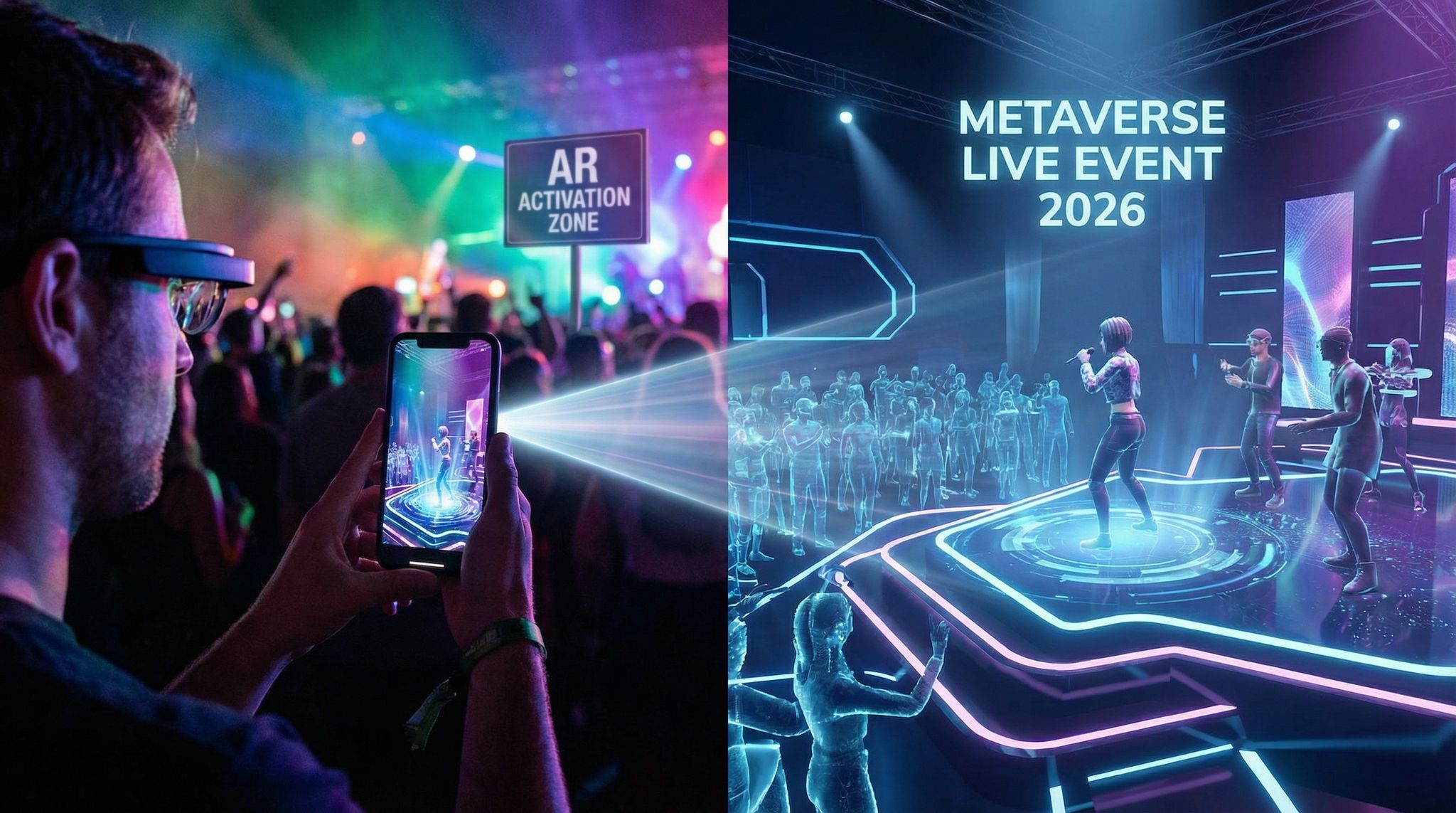
By 2026, VR platforms like SoundSelf or Tripp will likely host these circles. This moves the experience from a 2D grid of faces into a shared 3D space.a simulated natural environment.
More sophisticated platforms designed specifically for psychedelic work are also on the horizon. These platforms might incorporate biometric monitoring – tracking heart rate variability or brainwave activity – to provide personalized guidance and support. There's discussion about AI-powered facilitation, but the ethical implications require careful consideration.
Increased regulation is likely, and the need for clear standards of practice will become even more pressing. We'll need to address issues of data privacy, security, and accessibility to ensure that these technologies are used responsibly and ethically. Protecting participant safety and promoting informed consent will be paramount.



No comments yet. Be the first to share your thoughts!