
Beyond 'Puff, Puff, Pass': Why Cannabis Etiquette Matters Now
I’ll never forget a friend’s housewarming a few years ago. The host, new to cannabis-friendly gatherings, left a giant jar of gummies on the coffee table. No explanation, no dosage info, no consideration for guests who didn’t partake. Chaos ensued. It showed we need more than just knowing how to consume cannabis; we need a framework for being considerate guests and hosts.
As legalization spreads, cannabis moves from a subculture to a mainstream social activity. This shift demands greater social awareness. Knowing how to consume isn't enough—we need to understand where, when, and with whom it’s appropriate. It’s about moving past stoner stereotypes and embracing graceful living with cannabis.
Cannabis sharing historically followed different rules. 'Puff, puff, pass' wasn't just a suggestion; it came from scarcity. Equitable sharing was essential when access was limited. Now, with legal markets, that dynamic has changed, but respect remains. The Emily Post Institute publishing Lizzie Post’s “Higher Etiquette” in 2023 speaks volumes about this cultural shift.
This isn’t about imposing stuffy Victorian rules on a laid-back plant. It’s about ensuring everyone feels comfortable and respected, whether they participate or not. Good cannabis etiquette means inclusion, consideration, and creating a positive experience for all. It’s about extending the same courtesy to cannabis consumption as we would any other social activity.
The Core Principles: Consent, Contribution, and Consideration
Cannabis etiquette rests on three principles: consent, contribution, and consideration. These aren't arbitrary rules; they're good manners applied to a substance that still carries a stigma for some. Understanding why these principles matter is as important as knowing what they are.
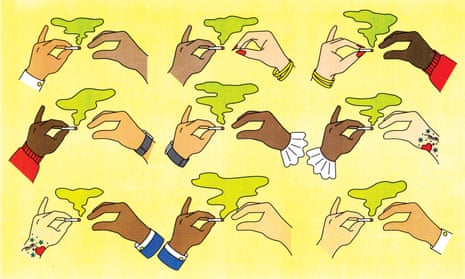
"Puff, puff, pass’ exemplifies equitable sharing. It came from a time when cannabis wasn’t readily available, so taking only your fair share ensured everyone could experience it. Now, it symbolizes acknowledging others and avoiding monopolizing the experience. It’s a simple gesture of respect, showing you"re not solely focused on your own enjoyment.
Consent is paramount. Never pressure someone to consume cannabis. It’s their body, their choice. A simple “Would you like to join?” is enough, and respecting a “no” is non-negotiable. This extends beyond the initial offer; be mindful of subtly encouraging someone who seems hesitant. Boundaries are essential, and respecting them builds trust.
Contribution isn’t always about bringing cannabis. Offering to share is appreciated, but it can also mean bringing snacks, drinks, or helping with setup and cleanup. It’s about contributing to the overall experience and showing appreciation for the host’s hospitality. If you do bring cannabis, be prepared to share it responsibly and openly.
Finally, consideration means reading the room. Is the atmosphere right for cannabis consumption? Are non-users present who might be uncomfortable? Adjust your behavior. Being mindful of others’ feelings and respecting their boundaries is the cornerstone of gracious social interaction.
- Consent: Never pressure anyone to consume.
- Contribution: Bring something to share, cannabis or otherwise.
- Consideration: Be mindful of others’ comfort levels.
Navigating Dinner Parties and Social Gatherings: A Host's Guide
Hosting a cannabis-friendly gathering requires more planning than a typical dinner party. The goal is a welcoming environment for everyone, regardless of their relationship with cannabis. Transparency is key. If cannabis will be present, let guests know in advance so they can decide if they want to attend.
Setting clear expectations is crucial. A simple statement like, “Feel free to partake if you’re comfortable, but please be mindful of others,” can go a long way. Consider designating a specific area for consumption, separate from the main dining area, to minimize exposure for non-users. Proper ventilation is also a must to manage odor.
Offering different consumption methods – flower, edibles, vapes – caters to varying preferences and tolerance levels. When providing edibles, always clearly label them with the THC content and ingredients. Dosage is a huge concern. Start small and encourage guests to do the same. It's better to have too little than too much.
Be prepared to answer questions about the cannabis you’re offering. Guests may want to know the strain, potency, or source. Having this information readily available demonstrates your responsibility and consideration. Also, have water and snacks available—hydration and a little food can mitigate any unwanted effects.
Handling uncomfortable situations gracefully is part of being a good host. If a guest is clearly uncomfortable with cannabis being present, don't push it. Respect their boundaries and make them feel welcome regardless. If a guest overindulges, offer them a safe space to relax and ensure they have a ride home or a designated driver.
Don’t forget the non-users. Ensure they feel included and comfortable. Offer non-alcoholic beverages and engaging conversation. The goal is to create a social environment where everyone feels respected and valued, not just those who choose to consume cannabis.
Guest Etiquette: Respecting Boundaries and Reading the Room
Being a guest at a cannabis-friendly gathering comes with its own set of responsibilities. It’s about being respectful of the host’s home, their rules, and the comfort levels of other guests. Always ask permission before consuming cannabis on someone else’s property. A simple, “Do you mind if I partake?” is sufficient.
Discretion is key. Avoid openly consuming cannabis in areas where it might make others uncomfortable. Be mindful of the smell and take steps to minimize it. Don't offer cannabis to others unless you're sure they're open to it. And definitely don't bring your own cannabis to a gathering without first checking with the host.
Overindulgence is a major faux pas. Know your limits and pace yourself. Start with a low dose, especially if you’re trying a new product or method of consumption. Avoid mixing cannabis with other substances, as this can amplify the effects and lead to an unpleasant experience.
Cleaning up after yourself is a basic courtesy. Dispose of any cannabis-related waste properly and offer to help with general cleanup. Leaving a mess is not only disrespectful but also reflects poorly on all cannabis users.
Reading social cues is essential. If the host seems uncomfortable with your behavior, adjust accordingly. If another guest declines your offer of cannabis, respect their decision. Pay attention to the overall atmosphere and be mindful of how your actions might affect others.
If you witness another guest behaving inappropriately—perhaps they’ve consumed too much and are becoming disruptive—offer to help them. Ensure they’re safe and comfortable, and alert the host if necessary. Compassion and support are always the best course of action.
Edibles: A Special Case – Dosage, Timing, and Responsibility
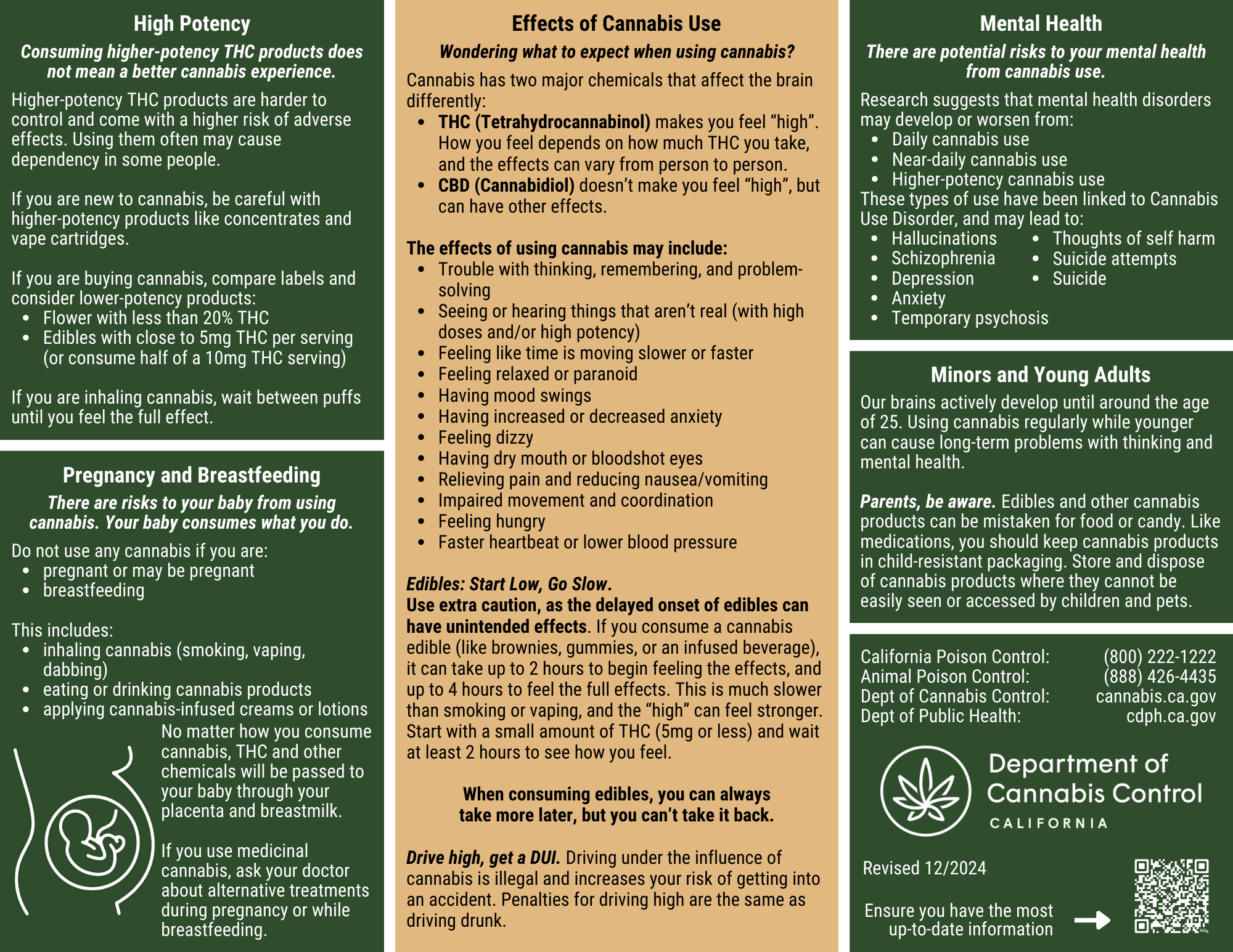
Edibles present a unique set of etiquette challenges due to their delayed onset and unpredictable effects. The 'start low, go slow' mantra is particularly crucial with edibles. Unlike smoking, where the effects are felt almost immediately, edibles can take 30 minutes to two hours to kick in, and the intensity can be significantly stronger.
Understanding dosage is paramount. A standard dose is typically 10mg of THC, but individual tolerance levels vary widely. Beginners should start with 2.5mg or 5mg and wait at least two hours before considering a higher dose. It’s far better to underconsume than to overconsume and experience anxiety or paranoia.
Clearly labeling edibles is essential. Include the THC content, ingredients, and any potential allergens. Store them securely, out of reach of children and pets. Mistaking an edible for a regular treat can have serious consequences. It’s simply not worth the risk.
I once heard a story about a friend who accidentally ate a 50mg gummy thinking it was a regular fruit chew. The resulting eight-hour panic attack was entirely avoidable. That's why responsible labeling and clear communication are so important. Nobody wants to be that person at the party.
If someone you’re with has overindulged in edibles, remain calm and reassuring. Offer them water, snacks, and a safe space to relax. Avoid panicking, as this can exacerbate their anxiety. Remind them that the effects are temporary and will eventually subside. And, as always, ensure they have a safe way to get home.
Beyond the Basics: Cannabis and Different Social Settings
Cannabis etiquette isn’t one-size-fits-all. The rules change depending on the social setting. What’s acceptable at a private music festival might be entirely inappropriate at a formal dinner or a professional networking event. Context is everything.
Navigating public consumption laws is crucial. Be aware of the regulations in your area and adhere to them strictly. Even in states where cannabis is legal, public consumption may be prohibited. Discretion is always advisable, even in permissible areas.
At concerts or sporting events, be mindful of those around you. The smell of cannabis can be offensive to some, so try to consume in a well-ventilated area away from non-users. Avoid openly displaying cannabis or paraphernalia.
Professional networking events require a particularly high level of discretion. It’s generally best to abstain from cannabis consumption altogether in these settings. Your professional reputation is at stake, and you don’t want to risk making a negative impression.
Cannabis tourism is a growing trend, and etiquette is especially important in unfamiliar environments. Research the local laws and customs before traveling with cannabis. Respect the cultural norms of the places you visit, and avoid causing any offense.
The Future of Cannabis Etiquette: What’s Next?
As cannabis legalization becomes more widespread, and social norms continue to evolve, cannabis etiquette will undoubtedly continue to develop. We might see formal cannabis classes or workshops emerge, teaching people the dos and don’ts of responsible consumption. Etiquette guides, like Lizzie Post’s, could become commonplace.
I imagine we'll see a rise in cannabis-specific social events – refined tasting experiences, pairing dinners, and mindful consumption gatherings – each with its own unique set of etiquette guidelines. These events could provide a safe and welcoming space for cannabis enthusiasts to connect and share their experiences.
Technology might also play a role. Apps could help you track your dosage, find cannabis-friendly events, or connect with other civilized cannabis users. Imagine a 'cannabis concierge' app that provides personalized etiquette advice based on your location and social setting.
Ultimately, the future of cannabis etiquette will depend on our collective commitment to respect, inclusion, and responsible consumption. It’s about normalizing cannabis use and integrating it into our social lives in a way that benefits everyone.
What's the biggest cannabis etiquette challenge you face in the new era of legal weed?
As cannabis becomes more mainstream, navigating social situations can present unique challenges. Let us know what etiquette hurdle you encounter most often.
Resources & Further Reading
For those seeking to deepen their understanding of cannabis etiquette, Lizzie Post’s “Higher Etiquette” (2023) is an excellent starting point. It offers a comprehensive guide to navigating the social complexities of cannabis consumption. Several reputable cannabis publications, such as High Times and Leafly, also offer articles and resources on responsible use and etiquette.
Organizations like the National Cannabis Industry Association (NCIA) and the Marijuana Policy Project (MPP) promote responsible cannabis policies and advocate for consumer education. Their websites offer valuable information on legal regulations and best practices.
- Higher Etiquette by Lizzie Post (2023)
- High Times: https://hightimes.com/
- Leafly: https://www.leafly.com/
- National Cannabis Industry Association (NCIA): https://www.ncianc.org/
- Marijuana Policy Project (MPP): https://www.mpp.org/


No comments yet. Be the first to share your thoughts!